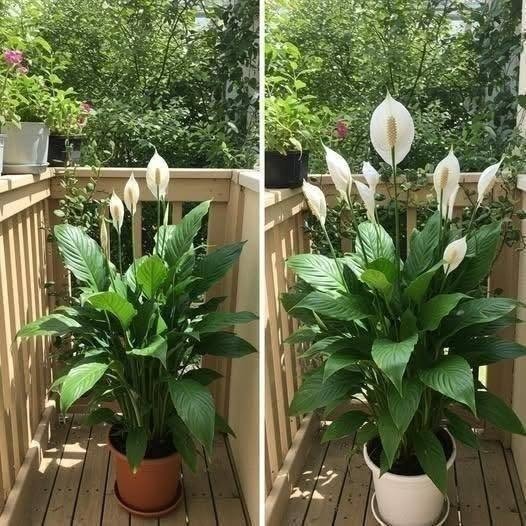
The idea of placing a tablespoon of vario
us substances on your plants can yield different results—some beneficial and others potentially harmful. Here’s a breakdown of what might happen based on what you use:
1. Water
Result: A tablespoon of water is unlikely to harm your plant but won’t provide substantial hydration. It may only slightly moisten the surface soil, which is generally insufficient for most plants.
2. Coffee Grounds
Result: Moderate amounts can enrich soil with nitrogen, benefiting acid-loving plants like azaleas. However, excessive use can lead to overly acidic soil, which could harm the plants.
3. Sugar
Result: Not recommended. Sugar can attract pests like ants and promote mold growth, leading to unhealthy conditions for your plants.
4. Mild Dish Soap
Result: A small amount can help control pests like aphids, but too much can interfere with leaf respiration and sunlight absorption, potentially damaging the plant.
5. Milk
Result: Can treat fungal infections like powdery mildew if diluted properly. However, undiluted milk may promote bacteria growth, leading to odors and unhealthy conditions.
continued on next page
6. Epsom Salt
Result: Provides magnesium and sulfur, which can enhance growth, especially in tomatoes and peppers. Use in moderation to avoid salt buildup in the soil.
For Complete Cooking STEPS Please Head On Over To Next Page Or Open button (>)
7. Banana Peel
Result: Rich in potassium and phosphorus, banana peels can improve soil quality and promote healthy growth. Ensure they’re buried in the soil to avoid attracting pests.
8. Eggshells
Result: Crushed eggshells add calcium to the soil, helping prevent blossom end rot in tomatoes. They break down slowly, releasing nutrients over time.
9. Fish Tank Water
Result: Full of beneficial nutrients, fish tank water serves as a natural fertilizer, promoting healthy plant growth without harsh chemicals.
10. Soda or Soft Drinks
Result: Harmful to plants due to high sugar and carbonation content, which can disrupt soil balance and lead to mold or rot.
Final Thoughts
The impact of placing a tablespoon of something on your plants varies significantly based on the substance. While some items can enhance plant health, others can cause harm. Always research and understand how each substance affects your specific plant species, and remember that moderation is key!
If you found this information helpful, please like and share it with your friends to promote proper plant care! 

For Complete Cooking STEPS Please Head On Over To Next Page Or Open button (>)