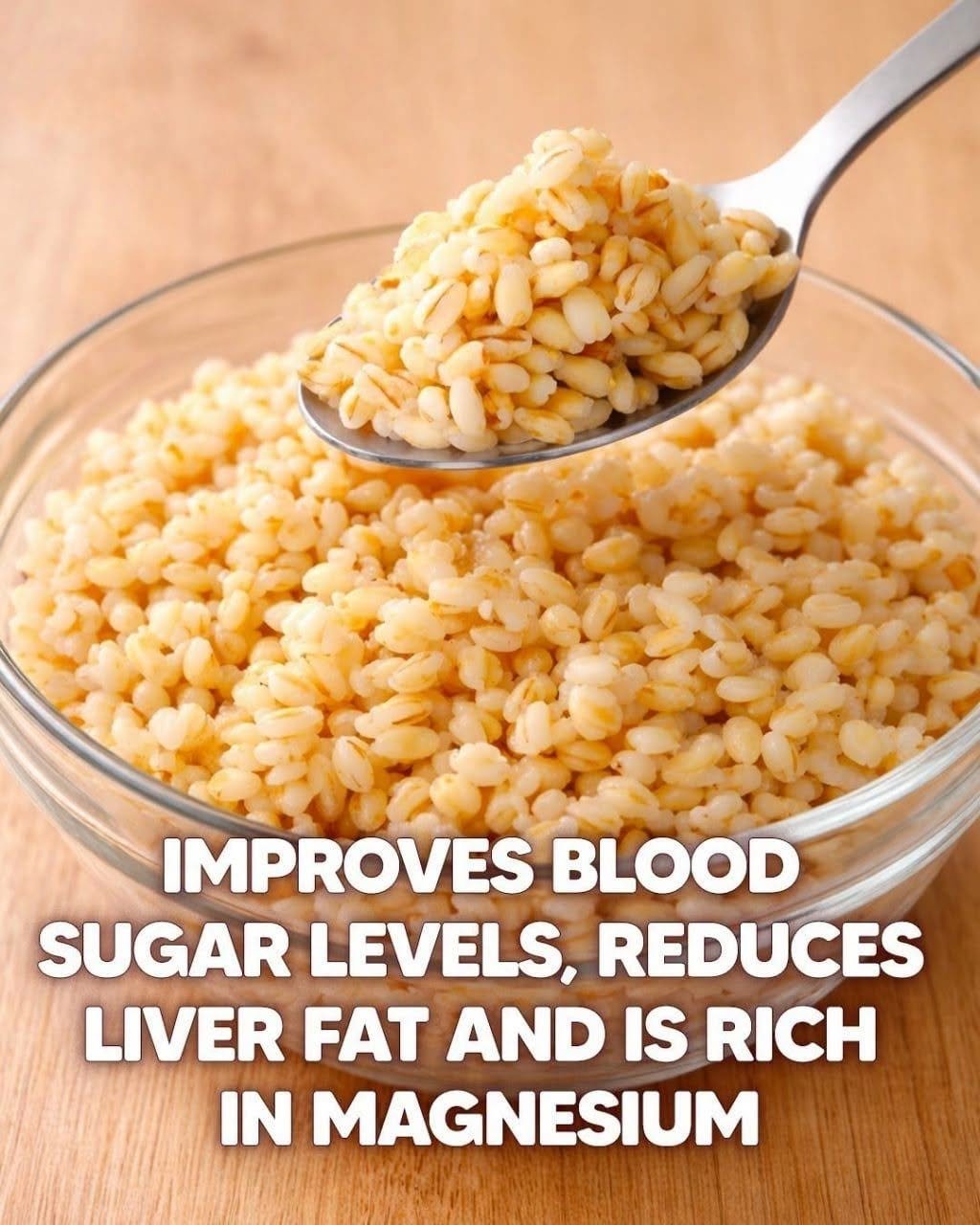
Barley’s Many Benefits, Properties and (Some) Contraindications
In the kitchen, barley is an extremely versatile cereal. It is ideal for preparing soups, cold salads, and creamy grain dishes, while roasted barley is also a popular coffee substitute and is available in instant powder form for breakfast. Thanks to its nutritional profile, barley is considered a valuable ally for digestive health, cardiovascular wellness, and overall nutrition. However, because it naturally contains gluten, it is not suitable for everyone.
Barley is one of the oldest cultivated cereals in the world, with evidence of its cultivation dating back to around 7000 BC in Mesopotamia. Belonging to the Graminaceae family, its scientific name is Hordeum vulgare. Throughout history, it has been an important staple food in many cultures, serving as an ingredient in bread, soups, and the production of beer.
Before wheat became the dominant grain throughout much of the Mediterranean region, barley was one of the most widely consumed cereals. Today, it remains appreciated for both its nutritional value and culinary versatility.
In the United States, commercially available barley is generally sold in three forms. Hulled barley has only the tough outer hull removed, allowing it to retain much of its bran and nutrients. Pearled barley undergoes additional polishing, resulting in a smoother texture and faster cooking time, although some fiber and nutrients are lost during processing. Whole barley, which retains the bran, is less common and requires a longer cooking time but offers the highest fiber content.
Barley’s Properties and Benefits
Barley provides an excellent combination of macronutrients and micronutrients, including complex carbohydrates, protein, dietary fiber, vitamins, minerals, and beneficial plant compounds. Hulled barley is nutritionally closer to the whole grain than pearled barley because it retains more of its original structure.
According to nutritional data, 100 grams of hulled barley provide approximately 354 kcal, consisting primarily of complex carbohydrates, about 17 grams of dietary fiber, and roughly 12 grams of protein. Cooked pearled barley contains fewer calories per serving due to its higher water content while still supplying useful amounts of protein and fiber.
Although barley contains a relatively high amount of protein for a cereal, it does not provide all essential amino acids in ideal proportions. Like many grains, it is relatively low in lysine. Combining barley with legumes helps create a more balanced protein profile.
Its dietary fiber contributes to digestive health by supporting intestinal regularity. Barley is also naturally rich in potassium, phosphorus, magnesium, zinc, copper, manganese, B vitamins, and bioactive compounds such as beta-glucans, which have been extensively studied for their potential role in supporting heart and metabolic health.
One of barley’s greatest strengths lies in the unique combination of fiber and plant compounds that may support several body systems. Here’s a closer look at its most notable benefits.
—see continuation on next page
To see the full cooking instructions, go to the next page or click the Open button (>) and don’t forget to SHARE it with your friends on Facebook.
1. Supports Gut Health
Barley is particularly rich in soluble fiber, especially beta-glucans. These fibers help promote regular bowel movements while acting as prebiotics that nourish beneficial bacteria living in the digestive tract.
A healthy gut microbiome plays an important role in digestion, immune function, and overall well-being. Adequate fiber intake may also help support digestive comfort and contribute to maintaining a balanced intestinal environment.
2. Helps Support Healthy Blood Sugar Levels
Beta-glucans slow the digestion and absorption of carbohydrates, helping reduce rapid increases in blood glucose after meals. As part of a balanced diet, barley may contribute to improved blood sugar management and support overall metabolic health.
3. Supports Heart Health
Regular consumption of foods rich in soluble fiber has been associated with improved cardiovascular health. Beta-glucans may help lower LDL cholesterol levels by reducing cholesterol absorption in the digestive tract. Additionally, barley provides minerals and B vitamins that contribute to normal cardiovascular function.
4. Promotes Satiety
Because of its high fiber content and its ability to absorb water during cooking, barley promotes a longer-lasting feeling of fullness. Including barley in meals may help reduce hunger between meals and support healthy weight management when incorporated into an overall balanced eating pattern.
5. Provides Antioxidant Compounds
Barley contains naturally occurring flavonoids, lignans, phenolic compounds, and other antioxidants. These substances help protect cells from oxidative stress, which is associated with normal aging and many chronic health conditions.
Beyond digestion and heart health, barley also provides valuable minerals that contribute to everyday wellness and may support several important body functions.
—see continuation on next page
To see the full cooking instructions, go to the next page or click the Open button (>) and don’t forget to SHARE it with your friends on Facebook.
6. May Support Liver Health
Some research suggests that diets rich in whole grains and dietary fiber, including barley, may help support healthy liver function. Preliminary studies indicate that barley may contribute to reducing fat accumulation in the liver, although additional research is needed to better understand this relationship.
7. Rich in Essential Minerals
Barley naturally supplies magnesium, phosphorus, iron, zinc, manganese, and other important minerals involved in bone maintenance, muscle function, energy production, and numerous metabolic processes. Including mineral-rich whole grains as part of a varied diet can contribute to meeting daily nutritional requirements.
Culinary Uses
Thanks to its mild, slightly nutty flavor, barley is suitable for a wide variety of recipes. It can be used in soups, stews, grain salads, risottos made with barley (often called orzotto), vegetable dishes, and breakfast cereals. Roasted barley is also commonly prepared as a caffeine-free coffee substitute.
Contraindications
Although barley offers many nutritional benefits, it naturally contains gluten. For this reason, it is not suitable for individuals with celiac disease or those who must avoid gluten for medical reasons.
People with non-celiac gluten sensitivity should consult their healthcare provider regarding whether barley is appropriate for their individual dietary needs. This also applies to products made from barley, including barley flour, barley coffee, and instant barley beverages, which are not gluten-free.
For most people without gluten-related disorders, barley can be a nutritious addition to a balanced diet, providing fiber, vitamins, minerals, and beneficial plant compounds that support overall health.
To see the full cooking instructions, go to the next page or click the Open button (>) and don’t forget to SHARE it with your friends on Facebook.