You can also clean tarnished jewelry perfectly at home

Clean tarnished jewelry at home – restore shine with simple home remedies

Whether silver, gold, or jewels, over time, jewelry tarnishes and loses its shine. But don’t worry: with some tried-and-true home remedies, you can gently and effectively restore the shine to your favorite pieces.

🧼 1. Clean silver with baking soda and aluminum foil
Ingredients:

A bowl of hot water
A piece of aluminum foil
1 tablespoon of baking soda or baking powder
How to:

Place the aluminum foil in the bowl and place the jewelry on top
Add the baking soda to the water and let it soak for 10 to 15 minutes
Then rinse with clean water and polish dry
Effect: The chemical reaction removes oxidation and restores shine.

🧴 2. Gold Jewelry with Dish Soap and a Toothbrush
What you need:

Warm water
A few drops of mild dish soap
A soft toothbrush
How to:

Read more

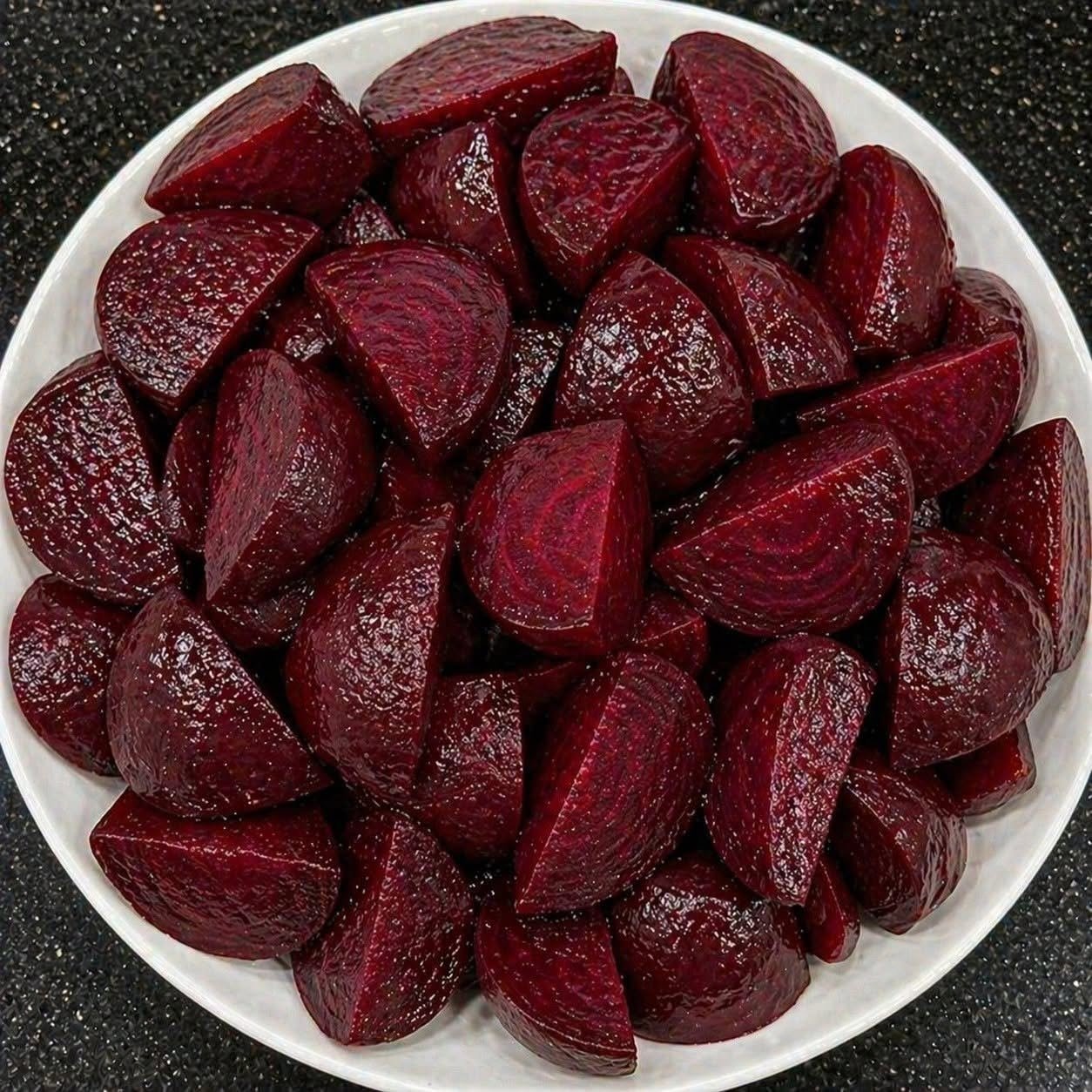
Proven Health Benefits of Beets and Fermented Beets (Science Based)

Beets have amazing health benefits and have an important place in a healthy diet. Beets are a sweet root vegetable that are full of important vitamins and minerals. Both the red beet root and the beetroot greens can be eaten hot or cold in delicious salads, soups and meals.

You can also juice beetroot to get a concentrated shot of its nutrients to take advantage of its powerful health-boosting properties. Studies have shown that the health benefits of beets include detoxing your body, lowering blood pressure and cholesterol, improving heart heath and stamina, and boosting brain function.

Why You May Want to Eat Fermented Beets

Fermented beets have many benefits to your health because they contain probiotics or “good” bacteria. These microorganisms help to balance the microbiota in your gut which improves your overall health. One scientific study found that fermented beetroot is especially good for you because it can fight oxidative stress. It also contains the Lactobacillus bacteria which is very beneficial for your gut.

Many studies point to the effectiveness of probiotics to restore the microflora of your gut. The British Journal of Nutrition reported that probiotics help to strengthen the gut against harmful bacteria and they have a positive impact on the health of the large intestine.

Many researchers point to the fact that the health of your gut and digestive system is closely linked to your immune system. Probiotics stimulate the immune system and inhibit the growth of bacterial infections.

In this article, you will find out what science has to say on the amazing ways beetroot can improve your health. You will also find some practical tips on how to incorporate more beets into your diet to help protect your health in many ways.

At the end of the article you’ll find an easy recipe of fermented beets with many health benefits.

The Nutritional Value of Beets

Beets are a rich source of nutrients that are needed for a healthy body. For example, beetroot contains vitamins A, C and B-group vitamins. They are also a good source of calcium, iron, magnesium, potassium and manganese, as well as fiber.

It’s not just the roots of beets that are good for you. The tops, or greens, of beets are also full of fiber, minerals, and vitamins and are one of its healthiest parts. In fact, according to NutritionalData.com, just 1/2 cup of raw beet greens gives you almost all of your recommended daily amount of vitamin K, which is essential for healthy blood, strong bones, and in preventing heart disease. Beet greens also contain a high amount of vitamin A, vitamin C, vitamin B6, as well as nutrients like potassium, manganese, iron, and fiber, all of which are necessary to maintain a healthy lifestyle.

The main health benefits of beets come from the pigment betalains, which give them the dark rich color. According to a study, betalains have powerful antioxidant and anti-inflammatory properties that can improve your health in a number of ways.

Let’s look at the many ways that beetroot can help boost your health and help keep you feeling great and full of energy.

The Health Benefits of Beets

Beets help to detox your entire body

The powerful antioxidants in beets can help to detoxify your whole body and prevent disease. Beetroot contains compounds that support detoxification in the body and can help to strengthen the immune system.

The journal Nutrients published extensive research into the antioxidant properties of beets and found that as well as betalains, there are many other antioxidants in beetroot. These can help to break down toxins in your body so that they can be easily flushed out. The research also found that beetroot extracts help to get rid of free radicals from your body cells.

In fact, studies have shown that juiced beetroot is one of the most potent antioxidant drinks from all vegetable and fruit juices.

So, to help your body get rid of harmful toxins and prevent developing chronic diseases, make sure and regularly consume beets as part of a healthy diet.

Beet juice lowers blood pressure

Beets also have the potential to lower your blood pressure naturally. The reason that beetroot is good for hypertension is due to its content of inorganic nitrate. When you consume beets, the nitrate content is converted into nitric oxide which helps to improve blood flow. This has a beneficial effect on your cardiovascular system and helps to reduce blood pressure.

The blood pressure-lowering effect of beets was proved in a study published in the Nutrition Journal. The researchers found that adding beetroot to your regular diet can help to lower blood pressure and also reduce the risk of heart-related medical conditions. The participants in the study found that within 6 hours after drinking beetroot juice their blood pressure levels were significantly lowered.

Beets to lower cholesterol

Beetroot and beet greens can help to lower cholesterol naturally and prevent the health complications that high cholesterol cause. The antioxidants, flavonoids, and folic acid in beets help to reduce levels of low-density lipoprotein (LDL cholesterol, which the American Heart Association term as “bad cholesterol”).

The journal Nutrition Research and Practice found that in clinical trials, red beet leaf extracts helped to reduce dangerous levels of LDL cholesterol in mice. They also found that that the beet greens extract had a beneficial effect on weight loss because it helped to reduce body fat.

If you are looking for a healthy snack, then you should replace your regular potato chips with beetroot crisps to help lower cholesterol. A study published in the journal Lipids in Health and Disease found that beet chips reduced levels of bad cholesterol and that they had a positive effect on blood glucose.

Beets are anti-inflammatory

Eating beets regularly can help keep you in good health. The beneficial effect of beets on health is due to their anti-inflammatory effects on the body which help prevent various diseases. Doctors say that if inflammation in the body isn’t resolved, the result can be that chronic inflammatory diseases develop.

The journal Nutrients reported that the anti-inflammatory compounds in beets help to reduce inflammation in many areas of the body. The journal mentioned some studies showing that beetroot extract can actually have a similar effect to non-steroidal anti-inflammatory (NSAIDs) medications.

Beetroot prevents heart disease

Regularly consuming fresh and cooked beetroot in your diet can help prevent various forms of heart disease and reduce the risk of stroke. Beets contain a high amount of folate (vitamin B9) which has a therapeutic effect on the heart. Also, betaine, which is found in beets, can help promote a healthy heart.

One study into betaine supplements found that they can help to reduce levels of homocysteine and, therefore, reduce the risk of developing cardiovascular diseases. Elevated levels of homocysteine have been linked to an increased risk of heart attacks, heart disease, and stroke.

Other studies have found that the compound betaine found in beets can help to alleviate angina pain, shortness of breath, reduce blood pressure, and generally improve your cardiovascular system.11, 12

Beets improve stamina and athletic performance

Both whole beets and beet juice can help improve athletic performance and give you more energy. The body converts nitrate into energy and is safe to ingest in vegetable form through beets.

One study published in the Journal of the Academy of Nutrition and Dietetics found that consuming baked beetroot helped runners to run faster and for longer. The researchers said that beetroot improves running performance in healthy adults.

Other studies have found that drinking juice from beets can help you to work out better and more effectively. Researchers found that taking beetroot juice before exercising helps to increase the amount of oxygen in the blood, reduce blood pressure and improve physiological responses to exercise.

Beets detox your liver and kidneys

If you want to get rid of toxins from your liver, you should consume beetroot regularly. This can help to keep both your liver and kidneys working well and in good health. The beneficial effect of beets on liver and kidney health is thanks to the way betaine detoxifies these organs.

The American Journal of Clinical Nutrition reported that extracts of beetroot help to prevent fat accumulating in the liver and reduces oxidative stress.Other studies have found that beets have the power to prevent kidney damage and get rid of free radicals that can cause kidney disease.

Read my article how to detox your liver with a super beet smoothie. You can also find out more information on how to strengthen your liver and how to improve your kidneys health.

Beets can improve cognitive performance

The nitrate content of beets can help to improve brain function and improve memory. Nitrate helps to increase blood flow to the brain which can help to boost your cognitive performance.

For example, researchers have found that increasing beet intake in diet can help to improve memory and mind tasks in older adults. The study found that beets actually stimulated blood flow to the specific areas of the brain where it was needed the most.

When taken along with SAMe (S-adenosyl-methionine), beets can also help naturally balance the levels of dopamine in the brain which can help to reduce the symptoms of depression.

The antioxidant properties of beets can also help to prevent Parkinson’s disease due to the increase of dopamine that beets provide.

Beets help prevent dementia

Another health benefit of eating more beets is that they can help to prevent the onset of dementia. As mentioned in the previous section, beets increase the flow of blood to the brain and improve brain function.

Doctors from WebMD say that a study into the effect of beets on brain health has found that beet juice could help fight the progression of dementia.The study, published by the Wake Forest University found that after four days of drinking beetroot juice, MRI scans showed that there was more blood flow in the area of the brain that is connected with dementia and other cognitive conditions.

Beetroot can help prevent cancer

There are some promising studies showing that beet extracts have an anti-cancer effect and can help to prevent certain cancers from developing. Researchers have said that “ingesting beetroot is a useful means to prevent cancer.”

Read more

How To Keep Frozen Bread Fresh For Longer (The Science-Backed Way)

Subtitle: It is completely understandable why you would turn to the freezer. But if you’ve ever pulled a loaf out of the freezer only to find it dry, crumbly, or covered in icy crystals, you know the freezer isn’t a magic time machine.
Let me tell you about the last time I tried to freeze a loaf of bread.

I’d bought a beautiful artisan sourdough from a local bakery, and I wanted to save it for later. I threw it in the freezer in its original paper bag and thought nothing of it. A few weeks later, I pulled it out, excited for a fresh slice of toast.

It was a disaster. The crust was tough, the inside was dry and crumbly, and it tasted like freezer burn. I’d ruined a perfectly good loaf of bread.

I assumed freezing bread was just a risky business—sometimes it works, sometimes it doesn’t. But then I learned the science behind it, and I realized I’d been doing it wrong all along.

Since you love understanding the science behind how things work, let’s decode exactly why bread goes stale, why the refrigerator is actually its worst enemy, and the brilliant, no-fuss “Double-Wrap” method to keep your bread tasting freshly baked for up to three months.

🔬 The Science: Why Does Bread Go Stale?
To fix the problem, we have to understand the culprit. Bread staling isn’t actually about drying out; it’s a chemical process called Starch Retrogradation.

The Baking Phase: When bread bakes, the heat and water cause the starch molecules to swell up, gelatinize, and become soft and squishy.

The Staling Phase: As the bread cools and sits on the counter, those starch molecules slowly recrystallize and push the water out. The bread becomes firm and stale.

The Fridge Trap: Here is the most counterintuitive fact in baking: Starch retrogradation happens up to SIX TIMES FASTER in the refrigerator than at room temperature! The cool, humid environment of the fridge is the absolute perfect catalyst for those starches to crystallize. Never put your bread in the fridge!

The Freezer Solution: Freezing drops the temperature so low that the water molecules literally stop moving. The starches cannot recrystallize. The bread is paused in time.

But to do this successfully, we have to defeat the freezer’s other enemy: Sublimation—when ice crystals turn directly into vapor and escape, leaving the bread dry and full of freezer burn.

For Complete Cooking STEPS Please Head On Over To Next Page Or Open button (>) and don’t forget to SHARE with your Facebook friends

Read more

HomeSlow Cooker Sausage Dip Slow Cooker Sausage Dip

If there is one thing I’ve learned from years of hosting family gatherings, potlucks, and casual Sunday dinners, it’s that the best appetizers are the ones you barely have to think about. You want something that looks like you spent hours perfecting it, but actually comes together with almost zero effort.
My mother-in-law always requests simple, highly appealing dishes for our family get-togethers—the kind of practical, last-minute appetizers that people happily snack on and completely finish before the main course even hits the table. This Slow Cooker Sausage Dip is exactly that. It is rich, savory, impossibly cheesy, and relies on the gentle, hands-off magic of the slow cooker to do all the heavy lifting.
Whether you’re hosting a casual game day, a holiday potluck, or just want a warm, comforting treat waiting for you after a long day, this recipe is about to become your new best friend. Grab your favorite beverage, and let’s get cooking!
Why This Recipe is a Total Game-Changer
As someone who truly appreciates recipes that simplify the cooking process, I love how this dip comes together. There is a little bit of kitchen science here that makes it so reliable: cream cheese needs gentle, low heat to melt smoothly. By using the slow cooker on a low setting, the dairy melts into a velvety, luxurious sauce without separating or becoming greasy.
It’s the ultimate “fake it till you make it” dish. It looks and tastes like a fancy, restaurant-quality appetizer, but it requires minimal preparation and lets you spend time with your guests instead of hovering over a hot stove.
Ingredients You’ll Need
The beauty of this recipe is its absolute simplicity. You likely have everything you need right in your fridge and pantry.
The Core Ingredients:
1 lb ground sausage: I love using a mild pork sausage for a classic flavor, but spicy sausage adds a wonderful kick. Substitute: Ground turkey or chicken sausage works beautifully if you want a leaner option.
2 blocks (8 oz each) full-fat cream cheese: This must be softened to room temperature so it melts smoothly. Substitute: Neufchatel cheese works in a pinch, but full-fat cream cheese gives the richest, most velvety texture.
1 can (10 oz) Rotel (diced tomatoes and green chilies): Do not drain the can! The juices help create the perfect dipping consistency. Substitute: If you prefer a milder dip, use plain diced tomatoes and add a tiny pinch of cayenne pepper.
1 ½ cups shredded cheddar cheese: Sharp cheddar gives the best flavor punch. Substitute: Pepper Jack for extra heat, or a Mexican blend for a milder, stretchier melt.
Optional Garnishes:
Fresh green onions, finely chopped: For a pop of color and fresh flavor.
A dash of garlic powder: If you want an extra savory backbone.
Step-by-Step Instructions
Let’s get this dip started! I promise this process is incredibly relaxing and straightforward.
1. Brown the Sausage
Place a large skillet over medium-high heat. Add your ground sausage and cook, breaking it up into small crumbles with a wooden spoon, until it’s fully browned and no longer pink. Drain any excess grease. Pro tip: Don’t skip draining the grease, or your dip will end up oily!
2. Layer the Slow Cooker

Read more

Had no clue about this

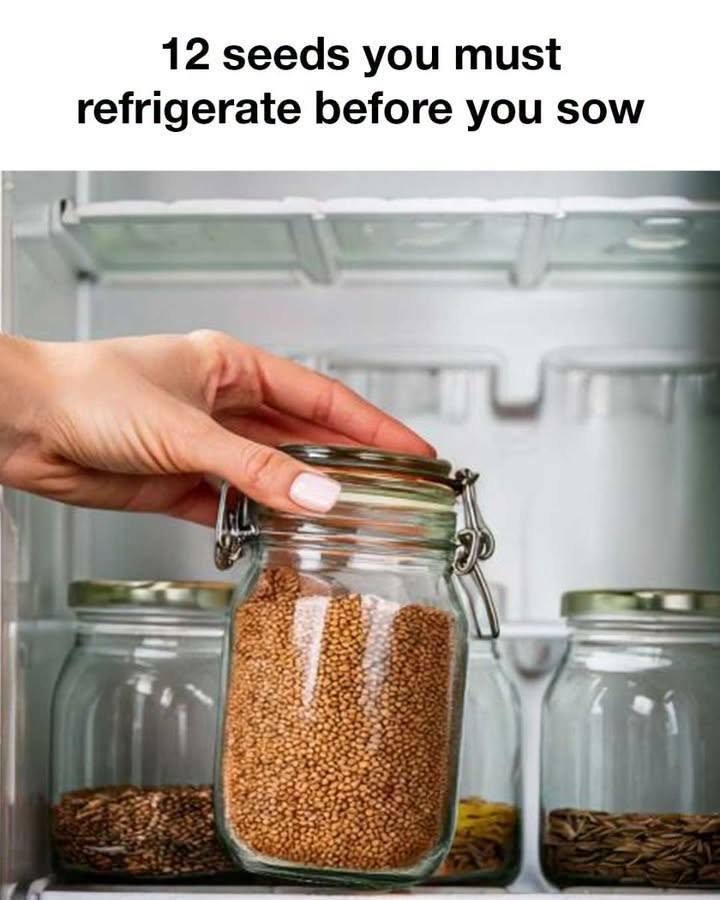
Seed refrigeration, often referred to as cold stratification, is a crucial step in the gardening process for many plant species. This technique mimics the natural winter conditions that seeds experience in the wild, which is essential for breaking seed dormancy and promoting successful germination. Understanding the importance of this process can significantly enhance your gardening success, especially with certain plant varieties that require specific conditions to sprout.
Understanding Seed Dormancy
Seed dormancy is a survival mechanism that prevents seeds from germinating until conditions are favorable for growth. In nature, this ensures that seeds do not sprout during unsuitable seasons, such as winter. Dormancy can be broken by various environmental cues, such as temperature changes, light exposure, and moisture levels. For many seeds, exposure to cold temperatures is necessary to trigger the end of dormancy and initiate germination.
The Science Behind Seed Stratification
Seed stratification is the process of treating seeds to simulate natural conditions that the seeds must experience before germination can occur. Cold stratification involves exposing seeds to a period of moist, cold conditions, which can be achieved through refrigeration. This process helps to break down germination inhibitors within the seed, allowing it to sprout when planted.
Benefits of Refrigerating Seeds Before Sowing
Refrigerating seeds before sowing can significantly improve germination rates and ensure uniform sprouting. This process is particularly beneficial for seeds that require cold stratification, as it provides the necessary environmental cues to break dormancy. Additionally, refrigeration can help to prevent mold and decay, preserving seed viability over time.
How to Properly Refrigerate Seeds
To properly refrigerate seeds, place them in a moist medium such as sand, vermiculite, or a damp paper towel. Seal the seeds and medium in a plastic bag or container to maintain moisture levels. Store the container in the refrigerator, ideally at a temperature between 33°F and 41°F (1°C to 5°C), for a period ranging from a few weeks to several months, depending on the seed type.
Common Mistakes in Seed Refrigeration
One common mistake is failing to provide adequate moisture during refrigeration, which can prevent seeds from breaking dormancy. Another error is refrigerating seeds at incorrect temperatures, either too warm or too cold, which can damage the seeds. Additionally, some gardeners may not refrigerate seeds for a sufficient duration, resulting in poor germination rates.
Top 12 Seeds That Require Refrigeration
Certain seeds benefit greatly from refrigeration before sowing. These include: 1. Lavender,
2. Milkweed,

Read more

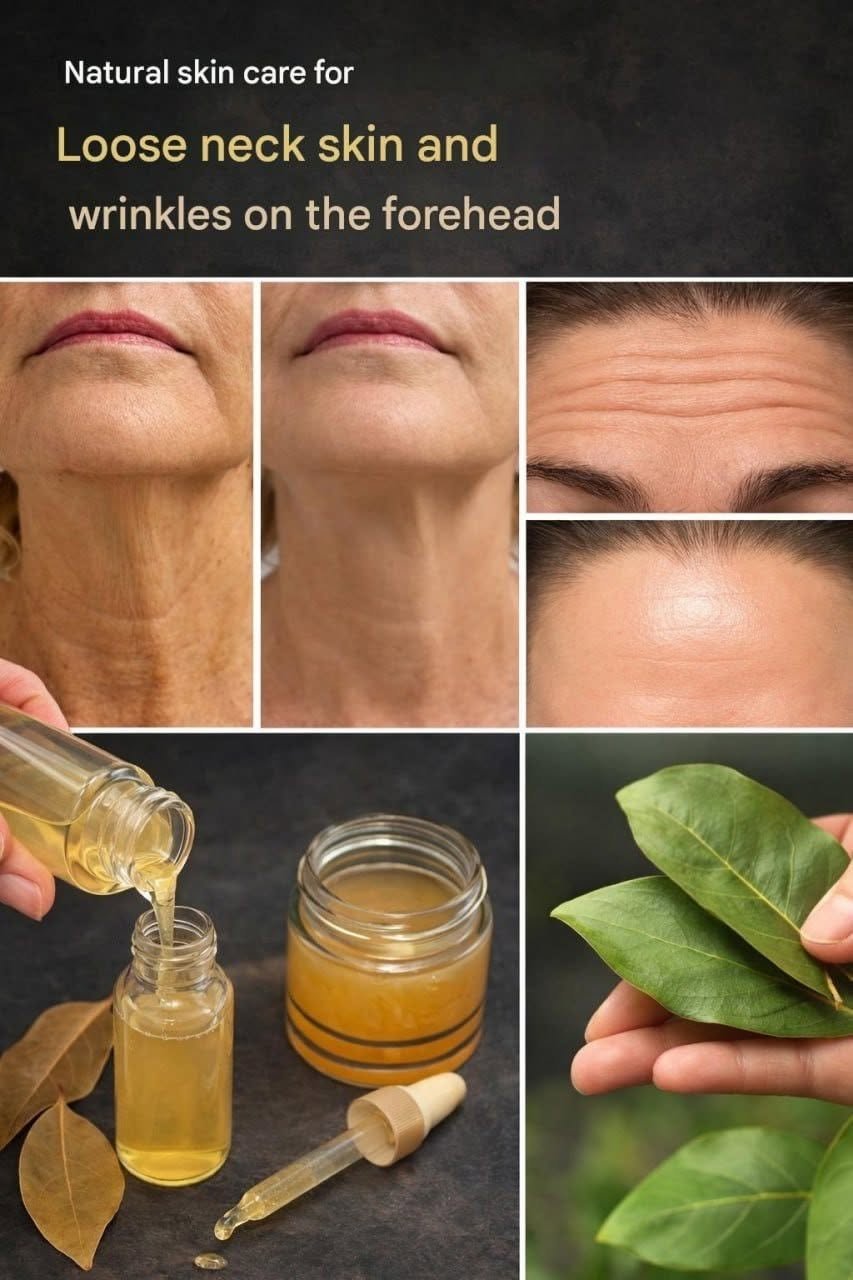
Why bay leaf is a natural solution for wrinkles – 100,000 times more effective than Botox!

Why bay leaf is a natural wrinkle solution—100,000 times more effective than Botox!
Did you know that over 92% of women over 50 report visible signs of skin aging—deep wrinkles, sagging, dullness, discoloration—and feel frustrated or embarrassed about it every day? Many spend hundreds, even thousands, of dollars on Botox, fillers, lasers, and creams, only to find the results quickly fade and involve risks and pain. Imagine crushing a few fresh bay leaves between your fingers—the sharp, spicy, almost medicinal aroma instantly fills the air—then brewing them into a warm, golden infusion, which you gently pat onto your face. The first application gives a cooling, tingling sensation, and within a few days, the mirror begins to reveal a smoother texture, softened wrinkles, and a natural glow you haven’t seen in years. How young and radiant do you look and feel right now, on a scale of 1 to 10? Stop at this level.

As someone over 45, have you ever looked in the mirror and felt disappointed by the deepening crow’s feet, forehead wrinkles, or sagging jowls that no cream can lift? What if one common kitchen herb—bay leaf—prepared in a very specific way and used regularly, could potentially surpass Botox in smoothing wrinkles, firming skin, boosting collagen, fading age spots, and restoring youthful elasticity… naturally, painlessly, and practically for free? Stay with us as we discover 15 compelling reasons why this ancient leaf is quietly becoming a secret anti-aging remedy for women in their 50s, 60s, and even 70s—thanks to a thorough method, scientifically proven explanations, real before-and-after stories, and secret fixes most people never discover. The skin changes people see in just 2-4 weeks may leave you asking yourself the same question: Why didn’t I know about this sooner?

Why Aging After 50 Feels Unwinnable.
Turning 50 often brings unexpected skin changes no one warned you about: wrinkles that deepen overnight, loss of firmness, discoloration that appears out of nowhere, and a dull, tired appearance even after a full night’s sleep. Recent dermatological and cosmetic studies show that over 85% of women over 50 feel their skin no longer reflects their inner youthful self, and nearly 70% admit to having tried numerous expensive anti-aging treatments without achieving the lasting results they expected. It’s incredibly frustrating when you invest in serums, devices, or injections only to see only temporary firming or irritation—sound familiar?

But it’s not just about appearance. Collagen and elastin loss accelerates after menopause, inflammation increases, free radical damage accumulates, and poor circulation deprives the skin of oxygen and nutrients. Have you stopped to rate how satisfied you are with the firmness, radiance, and smoothness of your skin on a scale of 1 to 5? If your score is below 4, you’re in the majority. You’ve probably tried retinol (which caused redness and flaking), hyaluronic acid fillers (expensive and temporary), or Botox (painful and unnatural-looking)—here’s why they often disappoint in the long run: they mainly work superficially or temporarily, can cause side effects, and don’t address intrinsic factors of skin aging, such as chronic inflammation, oxidative stress, poor detoxification, and weakened collagen production.

You know that sinking feeling when you smile and see deeper wrinkles? Have you ever had a moment where you avoided photos or covered your neck because of loose skin? Imagine this: you’re 68, still full of energy and life, but in the reflection you see tired, wrinkled skin that makes you feel older than you are. STOP – before you go any further, take 30 seconds to gently pinch the skin on the back of your hand – does it return to its original state quickly or slowly? Have you noticed your skin losing elasticity? Perfect – because one herb most people use only for cooking is quietly proving it can restore firmness, smoothness, and radiance more effectively than Botox… naturally.

You’re one of the forty percent of readers who come here regularly—most of whom would laugh at the “bay leaf vs. Botox” argument and leave, but you stay because you’re open to discovering something truly groundbreaking.

A Bay Leaf Skincare Ritual That Produces Visible Changes.
This might shock you, but bay leaf (Laurus nobilis)—the same aromatic leaf you toss into your soups—contains an extraordinary concentration of powerful compounds: cineole, linalool, eugenol, myrcene, pinene, flavonoids, tannins, and unique polyphenols, which work synergistically to combat inflammation, stimulate collagen synthesis, improve microcirculation, neutralize free radicals, and gently exfoliate dead skin cells. After preparing a concentrated infusion and using it as a daily toner, mask, or facial compress, many women experience dramatic smoothing of fine lines, firmer skin, reduced discoloration, and a radiant glow in just 7–14 days.

Simple daily ritual (full method below):

Boil 15–20 dried bay leaves or 25–30 fresh bay leaves in 2 cups of water for 10 minutes.
Let cool, strain, and refrigerate (lasts 5–7 days).
Use as a toner (soak a cotton pad and place it on your face morning and night), a mask (mix with honey or yogurt 2–3 times a week), or a compress (soak a cotton pad and place it on your face for 15 minutes).
Benefit 1: Significant reduction in fine lines and wrinkles.
Deep forehead wrinkles or crow’s feet making you feel self-conscious? Meet Elena, a 71-year-old retired teacher from Florida who avoided mirrors because of her “aged-looking” complexion. “I thought Botox was my only option,” she said. She started using bay leaf toner twice a day—its herbal, slightly spicy, and refreshing scent. Within 10 days, the fine lines around her eyes had noticeably softened; by day 28, her friends were asking if she had had the treatment.

Laboratory studies have shown that cineole and flavonoids in bay leaf stimulate the activity of fibroblasts (cells that produce collagen and elastin) while simultaneously reducing matrix metalloproteinases (enzymes that break down collagen). Elena’s skin was firmer and more elastic. Rate the depth of your wrinkles on a scale of 1-10 – if above 6, it could be a breakthrough. But wait for the improvement in firmness…

An additional tip that most articles miss: use a warm infusion as a compress—the heat opens pores, allowing for deeper penetration.

Benefit 2: Significant skin firming and lifting effect.
Sagging cheeks and loose neck skin? Tannins and polyphenols firm and tone.

Signs of Aging Typical Repair Path Bay Leaf Edge
Ritual Fine Lines Botox/Fillers Natural Collagen Stimulation
Sagging Skin Thread Lifts Gentle
Tannin Tightening Dullness Chemical Peels Gentle Exfoliation + Radiance
Benefit 3: Visible Fading of Age Spots and Discoloration
Are Dark Spots or Sun Damage Visible? Antioxidants inhibit melanin overproduction.

Clara, a 66-year-old gardener from California, had persistent brown spots on her cheeks. “They made me look older,” she said. She used a bay leaf mask three times a week—its herbal scent is grounding. After three weeks, the spots were visibly lighter; after two months, her skin tone was noticeably more even.

Self-assessment: Are there any dark spots or uneven skin tone? Scale 1-5.

Benefit 4: Deep Hydration and Moisture Retention.
Dry, wrinkled skin despite using moisturizers? Bay leaf infusion improves the skin’s protective barrier.

Congratulations – you’re halfway there! The top 20% unlocks true skin renewal.

Quiz during the article: How much can a bay leaf transform your skin?
A quick quiz to help you solidify the transformation:

Are benefits covered? (4)
What is your biggest skin concern right now? (Write it down)
Anticipate what the next twist will be. (Hint: pore size)
Re-rate your skin’s firmness on a scale of 1-10 compared to your initial state.
Ready for more? Yes/No
Inspiring! Let’s continue.

Benefit 5: Visibly Reduced Pores and Smoother Texture.
Enlarged pores make skin look rough? Tannins gently tighten and smooth it.

I get it—you’ve tried pore strips or acids, and the results were temporary at best. If that’s me, this gentle, daily method ensures gradual pore tightening.

Benefit 6: Reduces redness and soothes inflammation.
Do you have rosacea or sensitive skin? Cineole and linalool soothe irritation.

Secret: Combine the infusion with aloe vera gel for a cooling mask that will quickly reduce redness.

Benefit 7: Natural Radiance and Radiance Boost.
Does your skin look tired? Improved microcirculation delivers oxygen and nutrients.

Stop: Imagine that look of light from within returning.

Week Ritual Used Potential Changes
1 Toner AM/PM Smoother texture, less dull
2 ​​Add mask 2-3 times a week Visible firmness and fading of discoloration
4 Full Routine Deeper lines softened, radiance
Benefit 8: Collagen and Elastin Support at the Cellular Level
Loss of Elasticity Accelerates? Compounds Stimulate Production.


For Complete Cooking STEPS Please Head On Over To Next Page Or Open button (>) and don’t forget to SHARE with your Facebook friends

Read more

My mother-in-law buys these tablets even if she doesn’t have a dishwasher: thanks to her trick I also got 1 pack for the whole year

Dishwasher tablets are very practical for cleaning and removing stains from all your dishes. However, they are also very useful for cleaning other surfaces in the house. If you are used to using natural products like white vinegar, baking soda, or even lemon to clean your home, you should try dishwasher tablets. My mother-in-law uses them to clean different surfaces in the house, since I saw the results I only use this one.
Find out how to use dishwasher tablets to maintain your home. You’ll see how useful they can be.Dishwashers

What are the tips for using dishwasher tablets to clean the house?
dishwasher tablets
The goal, when we clean, is to clean all the dirt from
ur home and for this we need effective products. Instead of buying new products and spending money, you can use dishwasher tablets. They are in fact very useful for cleaning the different surfaces of your home. They have multiple properties that allow you to degrease, whiten, descale and deodorize .Cleaning hacks ebook

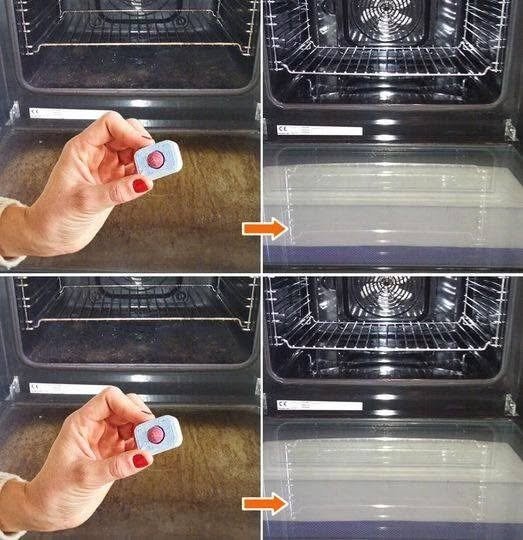
Clean your oven with dishwasher tablets Dishwashers

You might be surprised, but you can use dishwasher tablets to clean dirty oven. For this, you need a tablet that you will dilute in warm water. So, use this preparation to maintain your oven and eliminate the grease encrusted on the oven walls.

Remove limescale from your bathroom with dishwasher tablets


see continuation on next page

Read more

Purple Cabbage & Blueberry Wellness Drink

Purple Cabbage & Blueberry Wellness Drink is a refreshing homemade beverage made with antioxidant-rich purple cabbage, juicy blueberries, fresh lemon juice, and a touch of natural honey for sweetness. This vibrant drink has a beautiful deep purple color and a light, fruity flavor balanced by the mild earthiness of cabbage and the brightness of fresh citrus. Purple cabbage is naturally rich in vitamin C, vitamin K, and beneficial plant compounds, while blueberries provide antioxidants that help support overall wellness. Lemon juice adds freshness and a pleasant tang, making this drink both refreshing and flavorful. Served chilled over ice, it’s a wonderful choice for warm afternoons, meal prep, or whenever you want a colorful homemade refresher. This easy recipe requires only a handful of ingredients and can be prepared in advance for convenient, ready-to-enjoy servings throughout the week.

Ingredients

For the Drink

  • ½ small purple cabbage, roughly chopped
  • 1½ cups fresh blueberries
  • 6 cups water
  • Juice of 2 lemons
  • 2–3 tablespoons honey or maple syrup (optional)

Optional Flavor Enhancers

  • 1 teaspoon fresh grated ginger
  • Fresh mint leaves
  • Ice cubes

For Serving

  • Lemon slices
  • Fresh blueberries
  • Mint sprigs

Step-by-Step Instructions


see continuation on next page

Read more

Two ingredients Reed Diffuser

In a world saturated with synthetic air fresheners and chemical-laden sprays, many are rediscovering the quiet power of simple, natural solutions. Cleaning experts and eco-conscious homemakers alike have long favored a minimalist approach to scenting the home—one that’s safe, affordable, and refreshingly free of artificial fragrances.

At the heart of this method? Two key ingredients: coarse salt and fabric softener. With just these—plus a few optional natural boosters—you can create a gentle, long-lasting home fragrance that neutralizes odors while filling your space with subtle, comforting aroma.

How It Works: The Science Behind the Simplicity

This isn’t magic—it’s smart chemistry:

Coarse salt acts as a natural dehumidifier and odor absorber, pulling moisture and stale smells from the air.

Fabric softener (preferably a plant-based or lightly scented variety) provides a consistent, pleasant fragrance without harsh chemicals.

Optional enhancers like cloves and a touch of alcohol extend the life of the scent and add aromatic depth.

Together, they form a passive diffuser that works quietly on your countertop, shelf, or entryway—no electricity, no aerosols, no guilt.

How to Make It

Read more