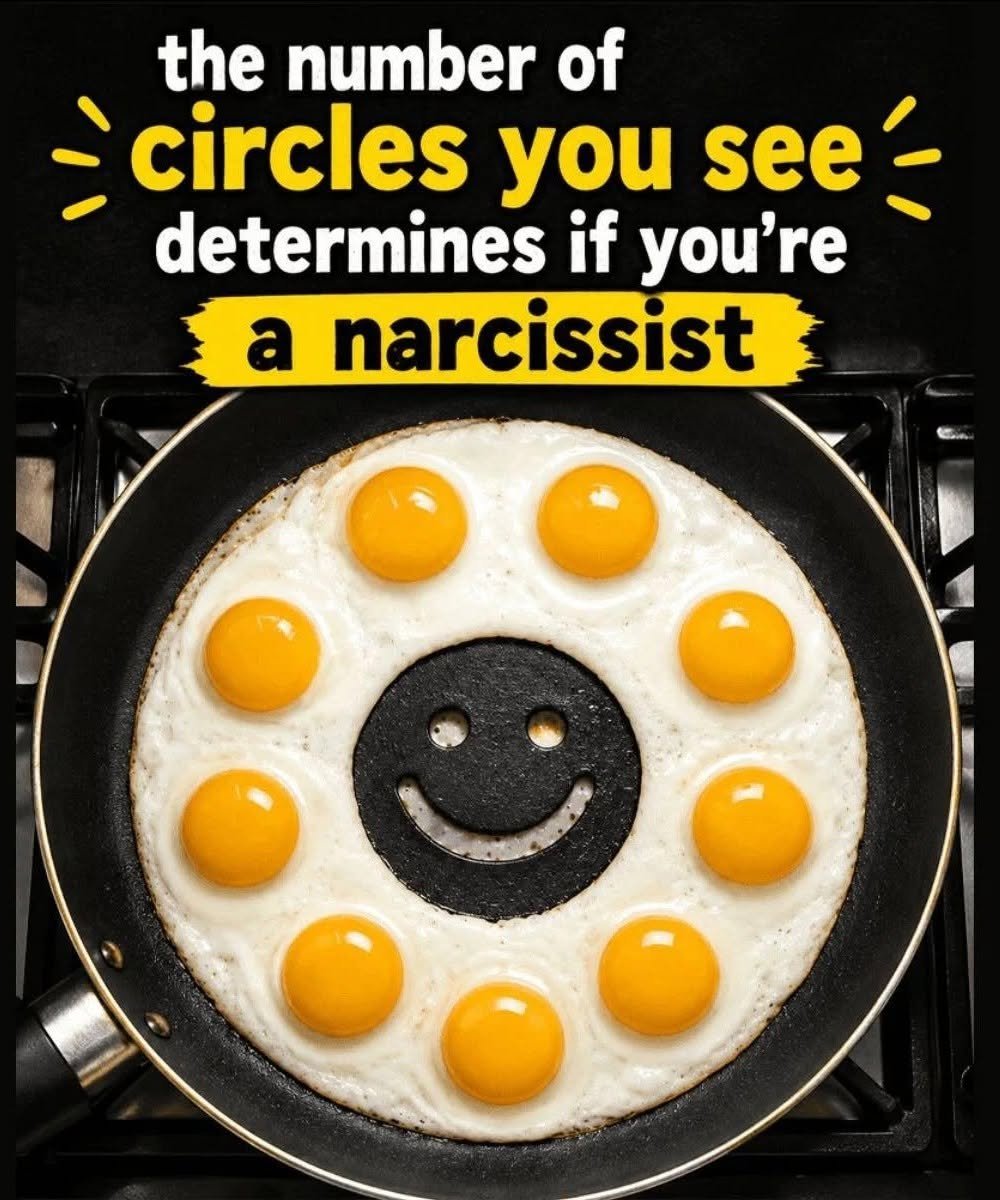
The Number Of Circles You See Determines If You’re A Narcissist

The Number Of Circles You See Determines If You’re A Narcissist — or so many people claim in personality puzzles shared online.

Of course, no simple image can medically diagnose narcissism, because true narcissistic personality traits are far more complex than a visual illusion.

However, these circle tests are still interesting because they often reveal how people process detail, emotion, focus, confidence, and self-awareness.

The number of circles someone notices first can reflect how their brain naturally organizes information and how they react emotionally under pressure.

If you see 9 circles first, it often suggests that you are highly observant but emotionally guarded. You tend to notice structure before emotion.

People with this result usually prefer stability and dislike chaos. You are not necessarily narcissistic, but you may sometimes appear distant because you keep your deeper feelings hidden.

You protect yourself carefully and dislike being vulnerable around people who have not earned your trust. Your personality is often calm on the surface, yet your mind constantly analyzes situations quietly in the background.

You may also struggle with overthinking because your attention to detail makes it difficult to ignore problems once you notice them.

If you see 10 circles first, this usually reflects balance. You are someone who naturally stands between logic and emotion.

You understand your own value, but you do not constantly seek attention from others. This number often appears in people who are socially aware and emotionally intelligent.

You like harmony and usually avoid unnecessary drama.

At the same time, you still want recognition for your efforts and can become frustrated when people overlook your contributions.

Study ACCA in Dubai, ACCA Gold Approved Partner. Sept 2026/Jan 2027 Intakes Open
Study with GBS Dubai, ACCA Gold Learning Partner. Launch your global accounting career. ACCA Certification Course. Build a strong foundation in Accounting, Taxation, and Finance – Apply Now
GBS Dubai
Study HND International Business at GBS and earn a BTEC Diploma Qualification with Pearson
HND International Business and open doorways to global universities.
GBS Dubai
by TaboolaSponsored Links
This result often belongs to individuals who are confident without becoming overly self-centered.

If you see 11 circles first, it may indicate that you are highly intuitive and emotionally reactive. You notice hidden patterns quickly and often sense tension before others do. People with this result tend to care deeply about how others perceive them, even if they pretend not to. You may sometimes appear strong and independent, but internally you often seek reassurance. This does not mean narcissism in a harmful sense. Instead, it suggests sensitivity mixed with a strong desire to protect your self-image. You likely remember criticism for a very long time, even when others forget it completely.

If you see 12 circles first, it often suggests ambition and competitiveness. You enjoy succeeding and may naturally compare yourself to others. You are motivated by progress, achievement, and personal growth. In many cases, this number appears in people who work hard because they want to prove themselves worthy of respect. Others may occasionally think you are arrogant simply because you speak with confidence. However, beneath that confidence is often a fear of failure that pushes you to keep improving. You dislike being underestimated and may secretly feel uncomfortable when you lose control of a situation.

NEXT PAGE

Read more

Mystery Solved! What That Odd Kitchen Gadget From the Thrift Store Actually Is

That odd-looking gadget with rows of sharp blades? It’s not a torture device—it’s a kitchen time-saver that’s been quietly helping home cooks for decades. Whether vintage or modern, the onion and veggie slicer is a humble hero for fast, uniform slicing—especially when tears are involved.
🧅 What Exactly Is It?
An onion and veggie slicer is a manual kitchen tool with:
A sturdy base (plastic, metal, or wood)
Parallel stainless steel blades set into grooves
Often includes a hand guard or pusher for safety
It works by pressing firm vegetables through the blades, yielding perfectly even slices in seconds—no knife needed.
✅ Why It’s Worth Keeping (or Buying!)
1. Onion Tears? Gone.
Slice an onion in 10 seconds → less exposure to irritant vapors = fewer tears.
2. Perfect Uniformity

Ideal for:
Caramelizing onions (even thickness = even cooking)
Crispy fried potatoes or zucchini chips
Neat salad layers or pickle slices
3. Safe & Accessible
Great for:
Kids learning kitchen skills
Seniors or those with arthritis or limited grip strength
Anyone who’s had one too many close calls with a chef’s knife
4. Fast Meal Prep
Need sliced cucumbers for tzatziki? Potatoes for scalloped bake? Done in seconds.

NEXT PAGE

Read more

Stumble upon this plant and you’ve struck gold. Most folks walk right past it without a clue

The mullein plant, often overlooked by many, is a botanical treasure trove of benefits. Known scientifically as Verbascum thapsus, this tall, fuzzy-leaved plant is a common sight along roadsides and in open fields. Despite its unassuming appearance, mullein has been used for centuries in traditional medicine for its wide array of health benefits. Its towering stalks and vibrant yellow flowers make it a striking plant, yet many pass by without realizing its potential. Mullein is not just a weed; it’s a powerhouse of natural remedies waiting to be discovered.
Historical Significance and Folklore
Mullein has a rich history steeped in folklore and traditional use. In ancient times, it was believed to ward off evil spirits and was often used in rituals and ceremonies. The Greeks and Romans used mullein for its medicinal properties, particularly for respiratory ailments. In the Middle Ages, it was known as ‘Hag’s Taper’ and was used as a wick for candles. Native Americans also recognized its healing properties, using it to treat coughs, colds, and skin conditions. The plant’s historical significance is a testament to its enduring value in herbal medicine.
Identifying the Mullein Plant
Identifying mullein is relatively easy due to its distinctive features. The plant typically grows between 2 to 6 feet tall, with a single, unbranched stalk. Its large, velvety leaves are arranged in a rosette at the base, and the stalk is topped with a dense spike of small, yellow flowers. The leaves are soft and fuzzy to the touch, a characteristic that helps the plant conserve moisture. Mullein’s unique appearance makes it easy to spot once you know what to look for.
Habitat and Growth Conditions
Mullein thrives in a variety of environments, making it a versatile plant. It prefers well-drained, sandy soils and is often found in disturbed areas such as roadsides, fields, and open meadows. Mullein is a biennial plant, meaning it completes its life cycle in two years. In the first year, it forms a rosette of leaves, and in the second year, it sends up a flowering stalk. The plant is hardy and drought-resistant, able to grow in poor soil conditions where other plants might struggle.

For Complete Cooking STEPS Please Head On Over To Next Page Or Open button (>) and don’t forget to SHARE with your Facebook friends

Read more

Slow Cooker Garlic Soy Pork

This 2-Ingredient Slow Cooker Garlic Soy Pork is the ultimate testament to the “less is more” philosophy of cooking. Looking at that image—the way the pork fibers have completely broken down into tender ribbons, glistening with a deep, dark, umami-rich glaze—it’s clear that time and quality ingredients are the real stars here. This is a versatile powerhouse recipe that can be the base for dozens of different meals.Slow Cookers

Here is the detailed breakdown for your recipe post:

2-Ingredient Slow Cooker Garlic Soy Pork
This recipe is designed for the busiest of days when you want a home-cooked, high-protein meal without the long ingredient list. By simmering a tough cut of pork in a concentrated garlic-soy base, the slow cooker transforms the meat into something incredibly succulent and flavorful. The natural fats of the pork render down and emulsify with the soy sauce, creating a built-in gravy that is salty, savory, and subtly sweet. It’s a rustic, “no-fuss” dish that delivers a professional-grade depth of flavor.

Why Everyone Loves This Recipe
Extreme Simplicity: With only two primary ingredients, the grocery list is as short as it gets.Garlic

Fall-Apart Texture: The long, slow cooking process ensures the pork is tender enough to shred with just a fork.

Meal Prep Hero: One batch can be used for tacos, ramen, sliders, or rice bowls throughout the week.

Intense Umami: The garlic and soy combination provides a massive savory punch that satisfies the deepest cravings.

Ingredient Notes & Details
Pork Butt or Shoulder: You want a cut with a good amount of “marbling” (internal fat). This fat is what keeps the meat moist during the long cooking time and creates the glossy sauce seen in the photo.

Garlic Soy Sauce or Marinade: Use a high-quality, thick garlic-soy marinade (like a Korean Bulgogi sauce or a Japanese Teriyaki base). If you only have regular soy sauce, simply add 4–6 cloves of smashed fresh garlic to achieve the same result.

Optional Liquid: Depending on the saltiness of your sauce, you may want to add a 1/2 cup of water or beef broth to prevent the edges from over-caramelizing.

NEXT PAGE

Read more

Amish Butter Noodles

This Amish Butter Noodles recipe is the absolute definition of pure, unadulterated comfort food. Made with thick, hearty egg noodles simmered directly in a rich, velvety chicken broth, this dish skips any complicated cream sauces and relies entirely on the magic of real butter and starchy goodness. It is incredibly easy to whip up as a quick weeknight side dish, yet soulful enough to steal the show at holiday potlucks.Amish Noodles Recipe

Ingredients
1 lb Thick, Broad Egg Noodles (ideally hand-rolled or extra-thick “Amish-style” dried egg noodles)

4 Cups Low-Sodium Chicken Broth or Stock

1/2 Cup (1 Stick) Unsalted Butter, divided

1 Teaspoon Garlic Powder

1 Teaspoon Onion PowderEgg Noodles

Salt and Freshly Cracked Black Pepper, to taste

2 Tablespoons Fresh Parsley, finely chopped (for color and brightness)

NEXT PAGE

Read more

Oven-Baked Pierogi Kielbasa Casserole

Ingredients

2 (16-ounce) boxes frozen potato and cheese pierogies

1 pound smoked kielbasa or Polish sausage, sliced into 1/4-inch rounds

2 cups shredded sharp cheddar cheese, divided

2 cups heavy cream (or half-and-half for a lighter version)

1 (10.5-ounce) can condensed cream of mushroom soup

Directions


see continuation on next page

Read more

Doctors reveal that eating eggs in the morning causes …

For years, eggs have been at the center of a nutritional debate. Are they a superfood or a risk to heart health? Today, modern science and medical experts are offering a clear answer. Doctors now reveal that eating eggs in the morning can have powerful, positive effects on your energy, weight, brain function, and overall health.

Here is a comprehensive look at what really happens when you start your day with eggs.

1. Long-Lasting Energy Without the Crash
Eggs are packed with high-quality protein and healthy fats. Unlike sugary cereals, pastries, or white toast, eggs do not cause a rapid spike in blood sugar followed by an energy crash. Instead, they digest slowly, providing a steady release of energy that keeps you alert and productive for hours.

The protein in eggs breaks down into amino acids, which fuel tissue repair, muscle maintenance, and essential bodily processes. Many people who switch to an egg-based breakfast report feeling less mid-morning fatigue and greater focus at work or school.

2. Reduced Hunger and Fewer Cravings
Protein is the most satiating nutrient, and eggs are full of it. Eating eggs in the morning triggers the release of hormones that signal fullness to the brain. This natural appetite control leads to reduced snacking and lower calorie intake throughout the day.

Studies consistently show that individuals who eat eggs for breakfast consume fewer calories at lunch and beyond compared to those who eat carbohydrate-heavy morning meals.

3. Support for Healthy Weight Loss
Because eggs curb hunger and reduce overall calorie consumption, they are a powerful tool for weight management. Replacing a bagel or bowl of sugary cereal with eggs can significantly cut daily calories without leaving you feeling deprived.

Additionally, protein has a higher thermic effect than carbohydrates or fats, meaning your body burns more calories simply digesting it. This slight metabolic boost supports long-term weight loss efforts.

4. Improved Brain Function and Mental Clarity
Eggs are one of the best dietary sources of choline, a nutrient essential for brain health. Choline is used to produce acetylcholine, a neurotransmitter critical for memory, mood regulation, and concentration.

Doctors note that children, students, and professionals who eat eggs in the morning often experience sharper focus and better cognitive performance throughout the day. The B vitamins in eggs also help reduce mental fatigue and support a healthy nervous system.

5. Muscle Maintenance and Growth
Read more on the next page

Read more

11 Foods You Should Never Put in a Slow Cooker – Avoid These Common Mistakes!

Slow cookers are kitchen heroes for hands-off stews, tender roasts, and cozy casseroles. But not every ingredient plays nice with low, slow heat. Some turn mushy, others curdle, and a few even pose food safety risks.

Here are 11 foods to avoid—plus smart swaps so your slow cooker stays a flavor powerhouse, not a disappointment zone.

❌ 1. Dairy (Milk, Cream, Sour Cream, Yogurt)

Why: Prolonged low heat causes dairy to curdle or separate, leaving a grainy, watery mess.
✅ Fix: Stir in dairy at the very end—after cooking. For creamy bases, use evaporated milk, coconut milk, or cream cheese (more stable).

❌ 2. Pasta
Why: Absorbs all liquid and turns into gluey, overcooked mush.
✅ Fix: Cook pasta separately and add just before serving—or stir in during the last 15–20 minutes on HIGH.

❌ 3. Rice (White, Brown, or Instant)
Why: Becomes gummy, waterlogged, or burns on the bottom.
✅ Fix: Cook rice separately and serve the slow-cooked dish over it—or use pre-cooked rice added in the last 10 minutes.

❌ 4. Delicate Vegetables (Spinach, Zucchini, Peas, Asparagus, Broccoli)

Why: Turn soggy, discolored, and bland after hours of cooking.
✅ Fix: Add in the last 15–30 minutes, or serve fresh on top (e.g., cherry tomatoes, arugula).

❌ 5. Boneless, Skinless Chicken Breasts
Why: Lean meat dries out and becomes tough and stringy over long cook times.
✅ Fix: Use chicken thighs (more fat = stays juicy), or add breasts in the last 1–2 hours.

❌ 6. Seafood (Fish, Shrimp, Scallops, Crab)
Why: Overcooks in 10–20 minutes—in a slow cooker, it turns rubbery or dissolves.
✅ Fix: Add seafood in the last 15–30 minutes, or cook separately and stir in before serving.

NEXT PAGE

Read more

The Viral Math Trap That’s Breaking the Internet

You’ve probably seen it scrolling through your feed. A simple-looking equation:
7 – 2(8 – 4) = ?
The caption screams: “Most people get this wrong!” or “The answer is NOT 6!”
Comments explode with debates: some say 20, others swear it’s -1, and a few confidently claim 6.
So what’s actually going on?
Why is a problem that looks like elementary homework causing chaos online?
Let’s cut through the noise, apply the actual rules of mathematics, and reveal why this puzzle keeps tripping people up.
🧮 The Correct Answer: Step-by-Step
Under standard mathematical convention (PEMDAS/BODMAS), the correct answer is:
✅ -1
Here’s exactly why:
Step 1: Solve Inside the Parentheses
8 – 4 = 4
Equation becomes: 7 – 2(4)
Step 2: Handle the Implied Multiplication
2(4) is mathematical shorthand for 2 × 4.
Multiplication always comes before subtraction.
2 × 4 = 8
Equation becomes: 7 – 8
Step 3: Subtract
7 – 8 = -1
Final Answer:
For Complete Cooking STEPS Please Head On Over To Next Page Or Open button (>) and don’t forget to SHARE with your Facebook friends

Final Answer: -1
💡 Key Rule: In mathematics, an expression like 2(4) carries the exact same priority as 2 × 4. It is not a separate operation that waits until after subtraction. Multiplication (explicit or implied) always precedes addition/subtraction.
🚫 Why People Get It Wrong (The Real Traps)
The puzzle isn’t hard. It’s deceptive. Here’s why thousands land on the wrong answer:
Wrong Answer
How People Arrive at It
Why It’s Incorrect
20
Left-to-right processing: 7 – 2 = 5, then 5 × 4 = 20
Breaks the order of operations. Multiplication must happen before subtraction.
6
Misreading the equation or treating 2(4) as 2 + 4 → 7 – 2 + 4 = 9 (then miscounting), or confusing it with similar viral equations
Ignores multiplication entirely or misapplies grouping rules.
-5
Correct parentheses: 7 – 2(4), but subtracts 2 from 4 first → 7 – 2 = 5, then 5 – 4 = 1 (or similar arithmetic slip)
Fails to multiply before subtracting.
The Biggest Culprit: Left-to-Right Bias
Our brains are wired to read and solve sequentially. When we see 7 – 2(4), the instinct is to subtract 2 from 7 first. But math doesn’t work like reading a sentence. It works like a recipe: you must complete certain steps before others, regardless of order on the page.
📐 PEMDAS / BODMAS: The Rulebook You Learned (But Maybe Forgot)
This puzzle hinges on one foundational concept: the order of operations.
Acronym
Meaning
PEMDAS (US)
Parentheses → Exponents → Multiplication/Division → Addition/Subtraction
BODMAS (UK/Commonwealth)
Brackets → Orders (exponents/roots) → Division/Multiplication → Addition/Subtraction
Important Notes:
✅ Multiplication & Division are equal priority → solve left to right
✅ Addition & Subtraction are equal priority → solve left to right
✅ Implied multiplication a(b) has the same priority as a × b
✅ Parentheses/brackets always come first
When applied correctly, 7 – 2(8 – 4) leaves no room for debate.
📱 Why Do Calculators Sometimes Disagree?
If you typed 7 – 2(8 – 4) into your phone’s calculator and got 20, here’s why:

NEXT PAGE

Read more