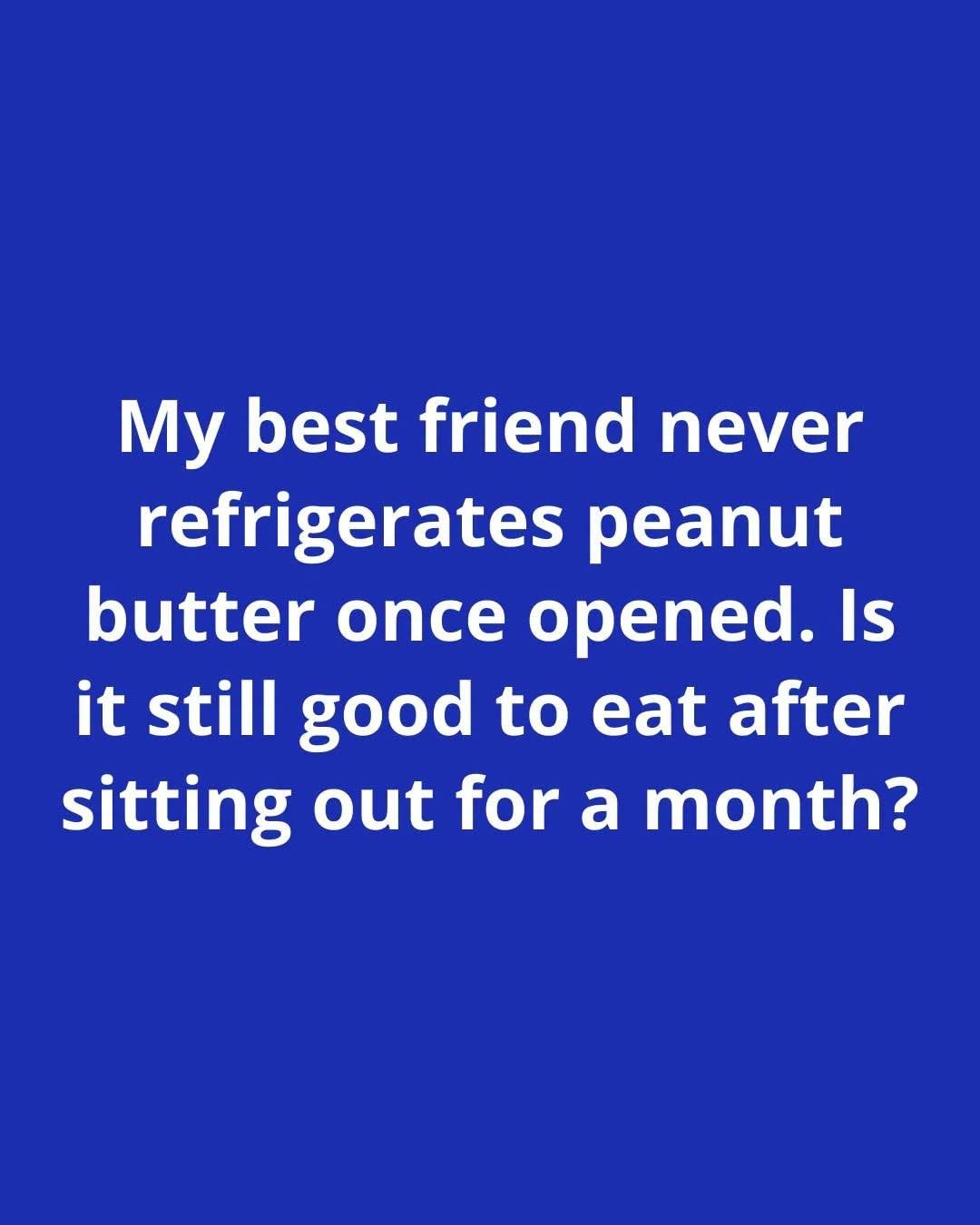
Don’t overlook these trays from Goodwill. Here are 10 brilliant ways to reuse them

At first glance, those old trays sitting on thrift store shelves might not seem like anything special. Scratched surfaces, outdated patterns, or worn edges can make them easy to ignore. But for anyone with a bit of creativity, these trays are far from useless—they’re full of hidden potential.

Thrifted trays, often found for just a few dollars, are sturdy, versatile, and surprisingly adaptable. Whether made of wood, metal, or plastic, they can serve as the perfect base for a wide range of DIY projects. Instead of throwing them away or passing them by, many people are now turning these simple items into stylish, functional pieces for their homes.

Upcycling trays is not only budget-friendly, but also environmentally responsible. By reusing items instead of discarding them, you reduce waste and give everyday objects a second life. With just a few tools and a bit of imagination, you can transform a forgotten tray into something useful, decorative, or even completely unexpected.

Here are ten creative and practical ways to reuse thrift store trays.

1. Turn a Tray into a Mini Herb Garden
One of the simplest and most rewarding ideas is using a tray as a small indoor herb garden.

By adding soil and planting herbs like mint, basil, or parsley, you can create a compact gardening space perfect for a windowsill or balcony. Some trays may need small drainage holes, depending on the material.

For Complete Cooking STEPS Please Head On Over To Next Page Or Open button (>) and don’t forget to SHARE with your Facebook friends

Read more

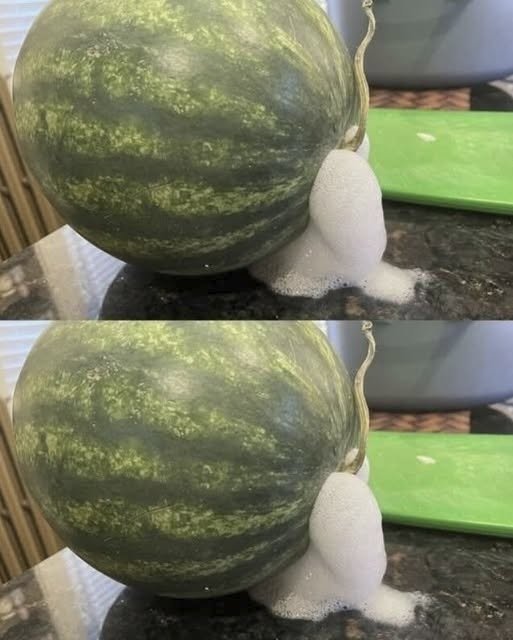
If Your Watermelon Starts to Look Like This, Get Rid of It Immediately

Watermelons are the quintessential summer fruit, refreshing and hydrating, perfect for picnics, barbecues, and hot days by the pool. However, like any perishable food, they can spoil and pose health risks if not handled properly. Knowing how to identify signs of spoilage in watermelon is crucial for ensuring your safety and enjoyment. In this guide, we’ll explore the telltale signs that indicate your watermelon has gone bad, along with tips for proper storage and maintenance.

Signs of Spoilage in Watermelon

1. Visible Mold or Fuzzy Spots
What It Looks Like: If you notice white, green, or black fuzzy patches on the rind or exposed flesh, it’s a clear warning sign.

Why It’s Dangerous: Mold signifies that harmful bacteria or fungi have infiltrated the fruit, potentially spreading toxins throughout—even in areas that appear unaffected.

What to Do: Discard the entire watermelon immediately. Cutting away the moldy sections is not advisable, as mold spores can penetrate deeper into the fruit.

2. Soft or Squishy Spots
What It Looks Like: Areas on the rind or flesh that feel overly soft, mushy, or sunken are red flags.

Why It’s Dangerous: Soft spots often indicate rot or bacterial growth, compromising both the safety and flavor of the watermelon.

What to Do: If the soft areas are minor and limited to the exterior, you might salvage the interior by removing the affected sections. However, if the flesh appears soft or discolored, it’s best to discard it.

3. Unpleasant or Sour Smell
What It Smells Like: A sour, fermented, or otherwise off-putting odor when you cut into the watermelon is a clear indication of spoilage.

Why It’s Dangerous: An unpleasant smell suggests fermentation or spoilage due to bacteria breaking down the sugars in the fruit.

What to Do: If the watermelon emits a foul odor, do not taste it—dispose of it immediately. Spoiled fruit can lead to food poisoning.

For Complete Cooking STEPS Please Head On Over To Next Page Or Open button (>) and don’t forget to SHARE with your Facebook friends

Read more

My neighbor shared this genius trick for warm july evenings and it only takes 3 ingredients to create the ultimate bite sized snack.

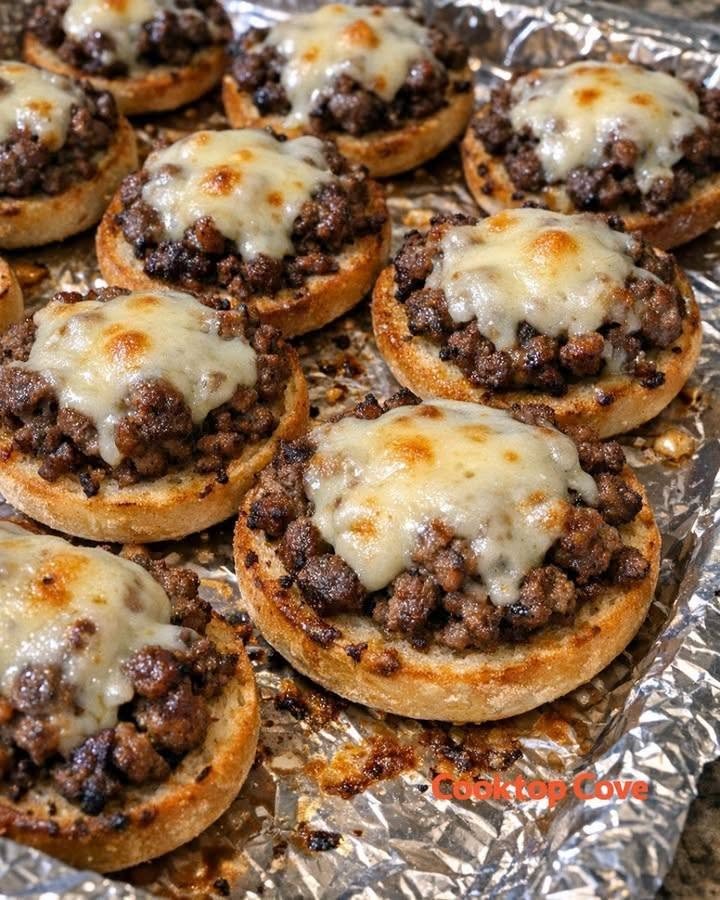
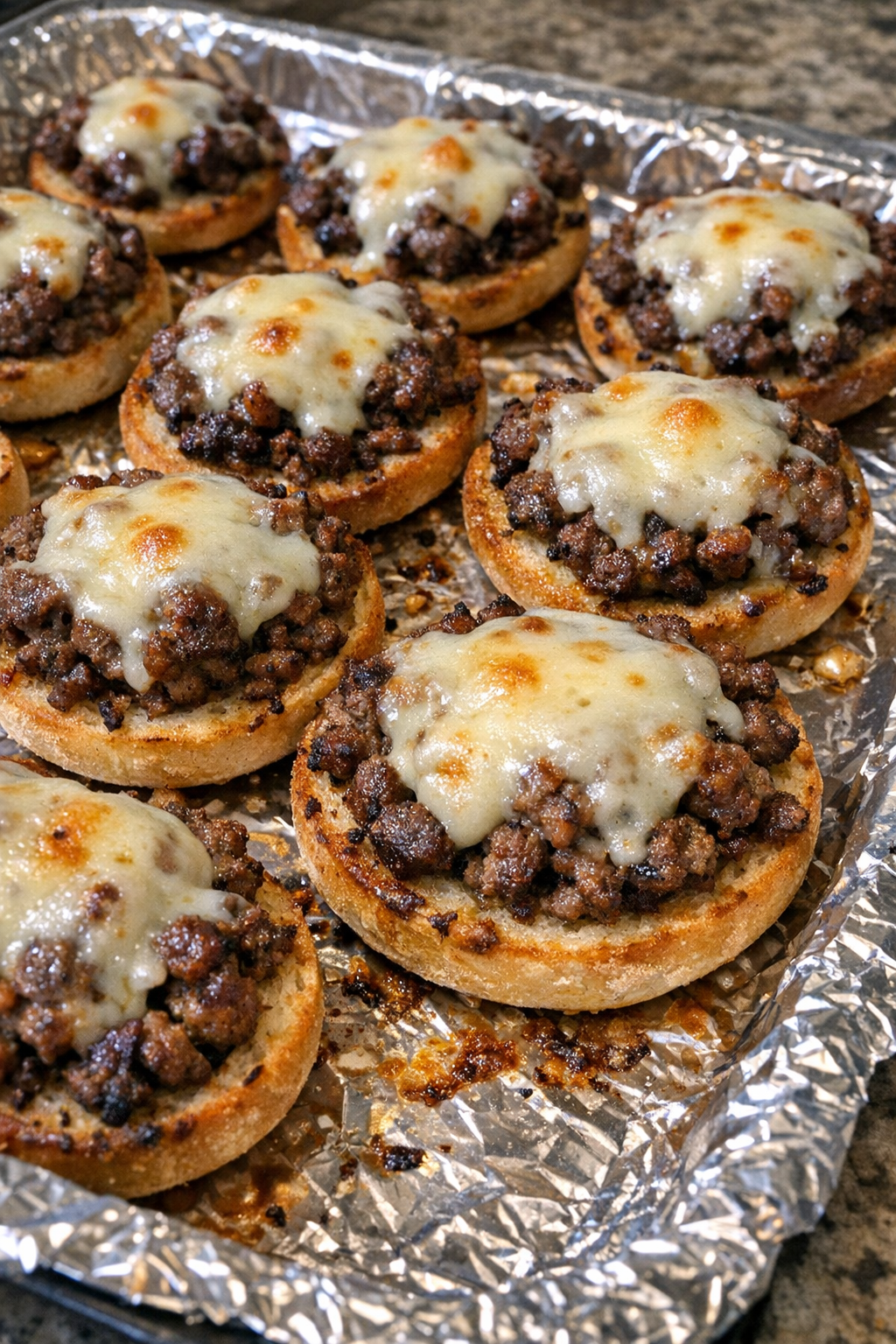
When the evening air turns soft and warm, it is hard to beat a simple pan of hot little bites pulled from the oven and set out for folks to gather around. These oven baked 3-ingredient beef bagel bites are the kind of thrifty, no-fuss snack that reminds me of church suppers and back porch visits, where nobody needed anything fancy to make a good memory. With just mini bagels, seasoned beef, and melty provolone, you get a hearty, crisp-edged treat that comes together fast and disappears even faster.

Serve these bagel bites with pickle spears, a bowl of potato chips, or a cool macaroni salad for an easy summer supper spread. They also go nicely with cut vegetables and ranch dip if you want to round things out, and for grown-up company, a cold iced tea or sparkling lemonade fits the mood just right.

Oven Baked 3-Ingredient Beef Bagel Bites

Servings: 6

Finished beef bagel bites with melted provolone

Ingredients

1 pound ground beef

12 mini plain bagels, split in half
8 slices provolone cheese, cut to fit bagel halves 

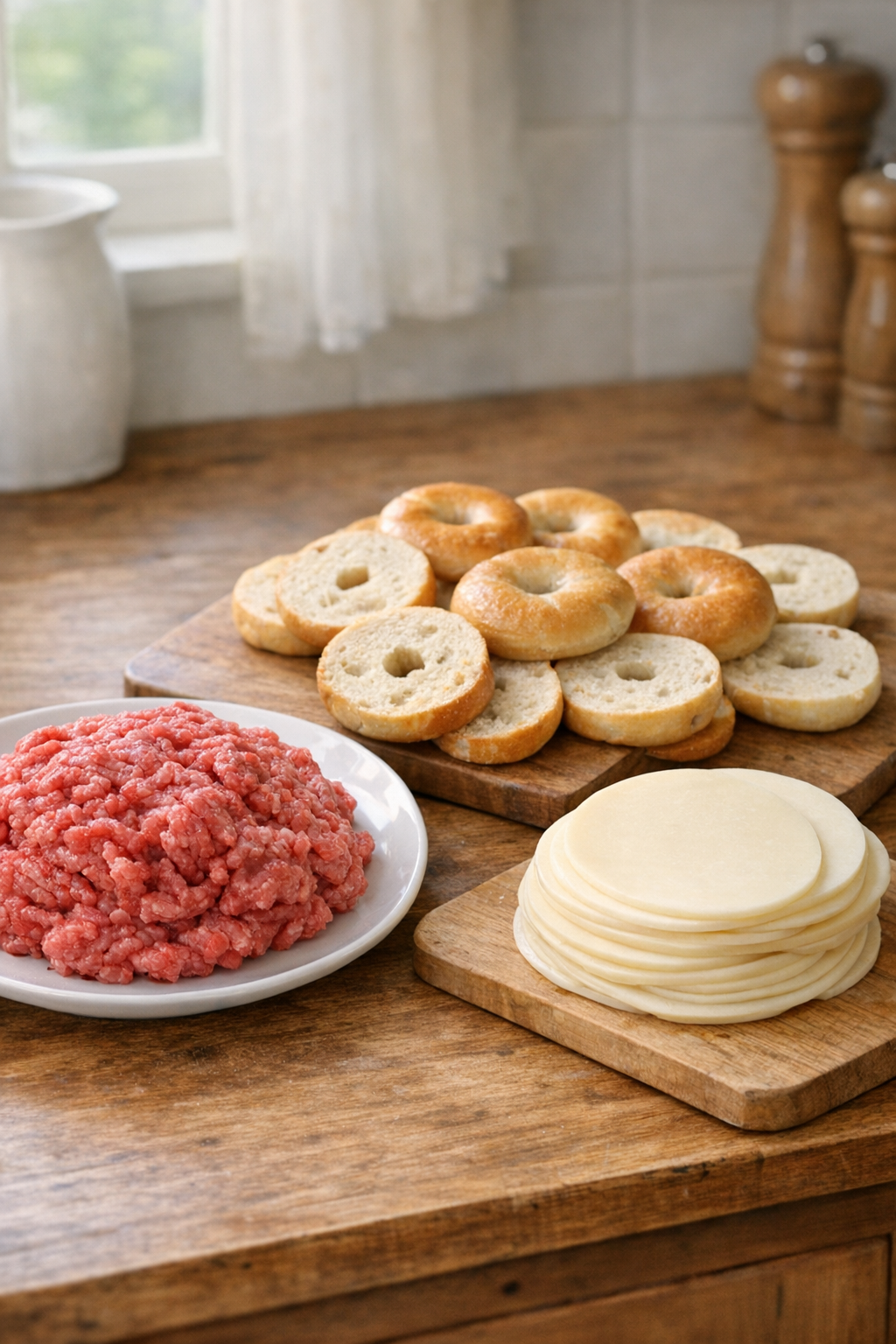
Mini bagels, ground beef, and provolone cheese on a kitchen counter

Read more

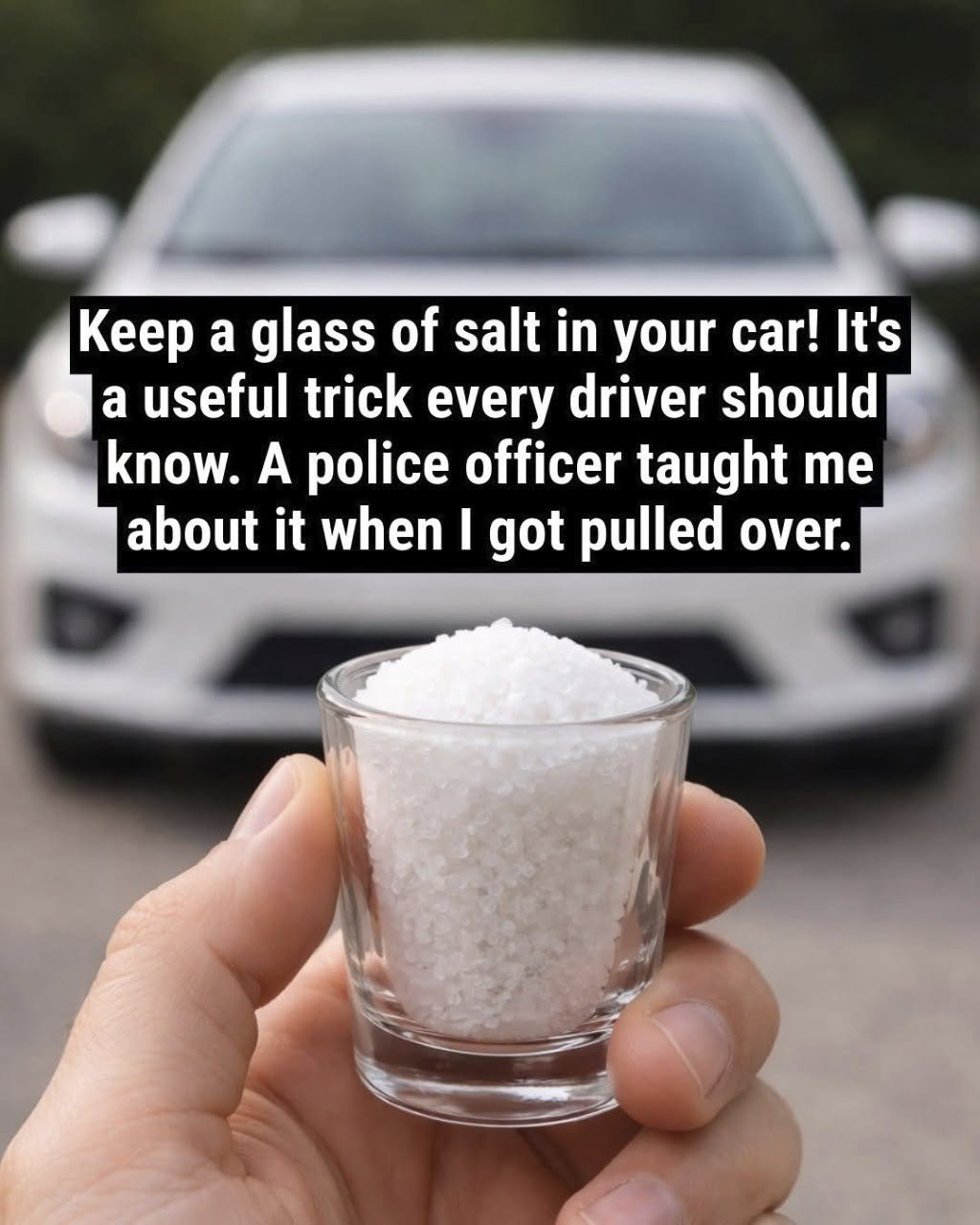
Put 1 Glass of Salt in a Car: Surprising Hack Every Driver Needs to Know

The Unassuming Guardian: How a Simple Glass of Salt Transforms Your Car’s Climate
You slide into the driver’s seat on a damp morning, coffee steaming beside you, already calculating how late you’ll be. Then you see it: a veil of fog clinging to every window, turning your car into a private terrarium. You crank the defroster, swipe at the glass with your sleeve, and inhale that faint, persistent mustiness—like wet wool and forgotten laundry—that seems to live in the upholstery no matter how often you clean.
This isn’t just an inconvenience. It’s humidity—a silent intruder that compromises visibility, invites mold, and quietly degrades your vehicle’s interior. And the solution isn’t a $20 aerosol can from the auto aisle. It’s already in your pantry.

The Science of Stillness: Why Salt Works
Salt possesses a quiet superpower: it is hygroscopic—a scientific term for its ability to draw moisture directly from the air. Unlike sprays or plug-in dehumidifiers that mask symptoms, salt addresses the root cause: excess humidity.
Place a shallow bowl of ordinary table salt on your dashboard or floor mat, and it begins working immediately—no electricity, no noise, no maintenance. It silently absorbs water vapor molecules floating in your car’s enclosed space, gradually lowering relative humidity. The result?
→ Clearer windows – Less condensation forms overnight or during temperature shifts
→ Fresher air – Musty odors fade as mold spores lose the damp environment they need to thrive
→ Protected surfaces – Upholstery stays drier; metal components resist corrosion
→ Gentle prevention – Not a quick fix, but a continuous, passive guardian
Important note: The salt won’t make your car smell like the ocean. It doesn’t emit fragrance—it simply removes the moisture that allows odor-causing bacteria to flourish. What remains is neutral, dry air—the canvas upon which true freshness can return.

How to Implement This Quiet Ally
Choose your vessel: A small ceramic bowl, glass jar, or even a sturdy paper cup works. Avoid metal containers (salt can corrode them over time).
Fill thoughtfully: Pour ½ to 1 cup of plain table salt or kosher salt. Coarse salt lasts longer; fine salt works faster.
Place strategically: Set it on the passenger seat floor, dashboard, or center console—away from direct sunlight (which can cause clumping).
Refresh gently: After 2–4 weeks, the salt will harden or discolor as it absorbs moisture. Replace it with fresh salt. (Tip: Sprinkle spent salt on icy sidewalks in winter—it still works!)

For Complete Cooking STEPS Please Head On Over To Next Page Or Open button (>) and don’t forget to SHARE with your Facebook friends

Read more

My sister refused to tip the pizza delivery guy because the store already charged a huge delivery fee. Does the delivery fee count as the tip?

In recent years, the landscape of food delivery has transformed dramatically. With the rise of apps and online ordering systems, getting a hot meal delivered to your doorstep is as easy as a few taps on your phone. However, this convenience often comes with a cost, and not just the price of the food itself. Delivery fees have become a common feature in food delivery transactions, leaving many customers wondering if these fees are meant to replace tipping the delivery driver.
My sister recently faced this conundrum when she ordered a pizza and saw a substantial delivery fee tacked onto her bill. She questioned whether she still needed to tip the driver, considering the fee she had already paid. This dilemma is not unique to her, as many people are unsure about the relationship between delivery fees and tipping. This article seeks to clarify this issue and provide guidance on how to approach tipping in the context of delivery fees.
1. What a Delivery Fee Actually Covers (And What It Doesn’t)
Delivery fees are often charged by restaurants and delivery services to cover the costs associated with bringing food to the customer. These fees can range anywhere from $1 to $5 or more, depending on the restaurant, the delivery service, and the location. However, it’s important to note that these fees do not typically go to the delivery driver as a tip. Instead, they are used to cover operational costs such as fuel, vehicle maintenance, and insurance.
Despite the presence of a delivery fee, customers should be aware that it does not replace a gratuity for the delivery driver. The fee is a separate charge that compensates the restaurant or delivery service for providing the delivery infrastructure, not the driver for their time and effort.
2. How Much Of The Delivery Fee The Driver Really Gets
In many cases, delivery drivers receive little to none of the delivery fee charged to customers. While this can vary depending on the company and its policies, drivers are often compensated primarily through tips rather than the delivery fee itself. For example, some companies may pay drivers a small portion of the delivery fee, but this amount is usually minimal compared to what they earn from tips.
This means that even if a delivery fee is present, the driver is still largely reliant on tips to make a living wage. Without tips, drivers may earn below minimum wage, especially if they are classified as independent contractors rather than employees entitled to hourly wages.
3. Industry Norms: Do People Still Tip On Delivery Orders?
Tipping on delivery orders remains a common practice, despite the presence of delivery fees. The norm for tipping delivery drivers is generally between 10% to 20% of the total bill, with a minimum tip of $3 to $5 for smaller orders. This standard ensures that drivers receive fair compensation for their work, which includes not only delivering food but also navigating traffic, dealing with weather conditions, and ensuring timely service.
Most people continue to tip because they understand that the delivery fee does not serve as a substitute for a gratuity. The social expectation to tip remains strong, and for good reason, as it directly affects the livelihood of delivery drivers who depend on these tips as a significant part of their income.
4. Ethics Versus Economics: Is It Wrong Not To Tip?
The ethical considerations of tipping versus not tipping hinge on the understanding of how delivery drivers are compensated. Economically, skipping a tip might save the customer a few dollars, but ethically, it may contribute to a system where drivers earn less than a living wage. Tipping is a way to acknowledge the service provided and to ensure that workers are fairly compensated for their labor.
While customers are not legally obligated to tip, many view it as a moral responsibility, especially given the low base pay that many delivery drivers receive. Refusing to tip when a delivery fee is present might be justified in some cases, but it is generally recommended to tip if you can afford to, as the service rendered by the driver is separate from the fee charged by the store.
5. What Delivery Drivers Say About Fees, Tips, And Their Paychecks
Delivery drivers often express frustration with the misconception that delivery fees are equivalent to tips. Many drivers rely heavily on tips to supplement their income, as their base pay is often insufficient to cover living expenses. Drivers frequently report that the delivery fee goes to the company, not them, and emphasize the importance of tips for their financial well-being.
In interviews and surveys, drivers consistently highlight the disparity between the fees charged and the compensation they receive. They urge customers to recognize the distinction between the two and to consider tipping as a way to support their work directly.

Read more

The Hidden Tool in Your Kitchen Scissors That’s Blowing People’s Minds

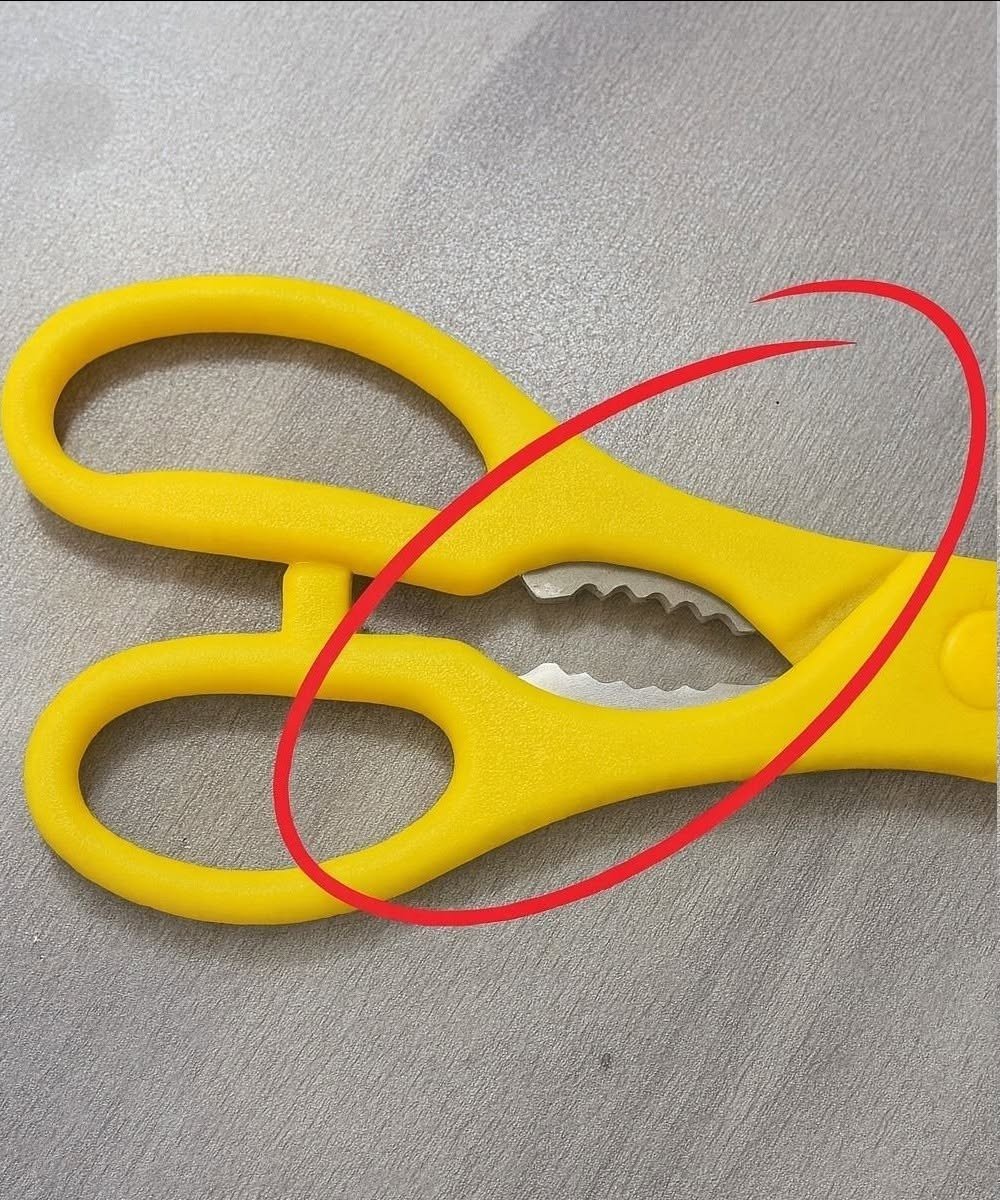
You may have used your kitchen scissors for everything from snipping herbs to opening stubborn packaging, but have you ever noticed the serrated metal teeth between the handles? Most people overlook this feature entirely—until they find out what it’s really for. And when they do, the reaction is always the same: “Mind blown!”

The Mystery Metal Teeth: Not Just for Show
At first glance, the jagged metal ridges tucked between the handles of many  kitchen scissors seem decorative—or maybe even just part of the manufacturing process. But these serrated jaws actually serve a very useful purpose: they double as a built-in jar or  bottle opener!

That’s right—those little teeth are designed to grip the ridged lids of jars, twist-off bottle caps, and even small stubborn items like soda bottle tops. When your hands are wet or the lid is sealed tight, just grip the item with the metal teeth, squeeze the handles, and twist. Voilà—instant grip and leverage!

More Than Just  Scissors
Many modern kitchen shears are actually multi-tools in disguise. Aside from cutting and bottle opening, some come with:

NEXT PAGE

Read more

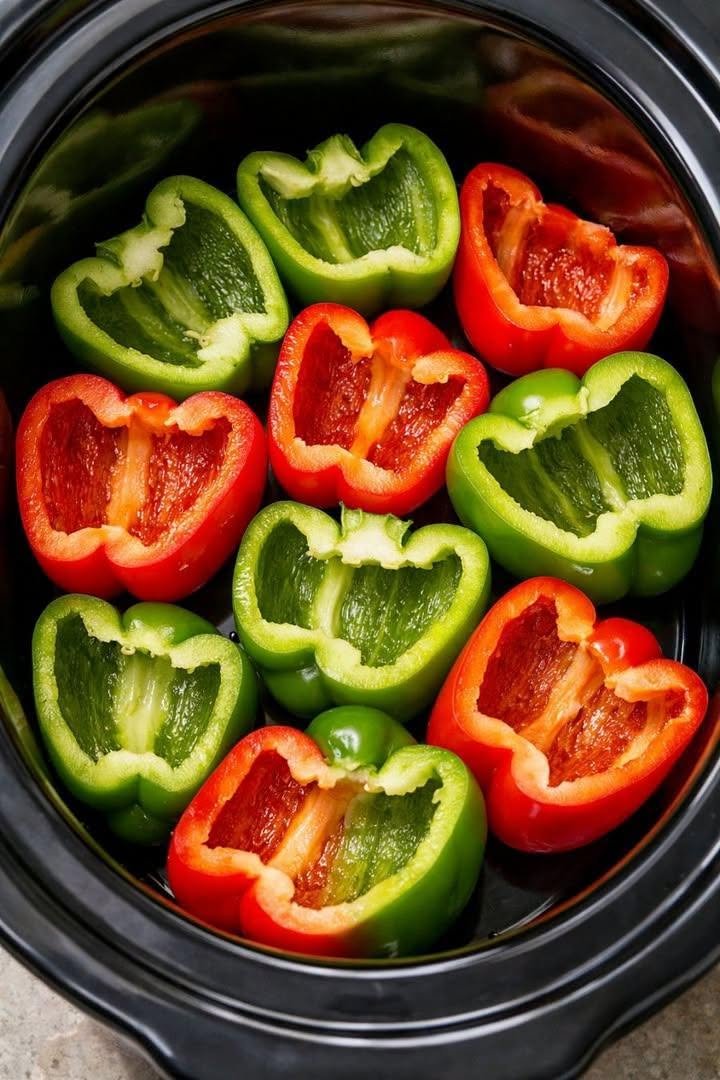
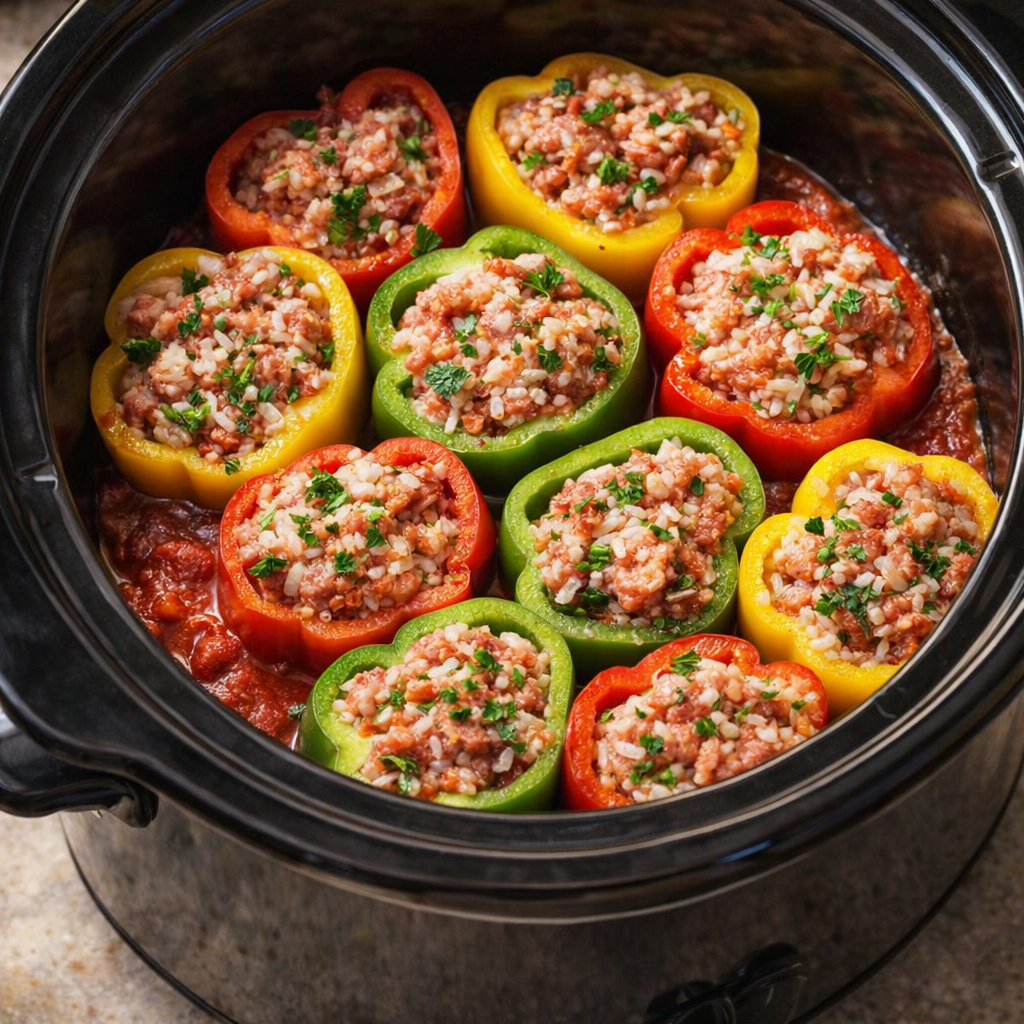
Put raw halved bell peppers in the slow cooker and 4 other ingredients to get a meal so delicious your family will be begging for more.

This is my kind of weeknight miracle: you literally drop raw halved bell peppers into the slow cooker, pile in a super simple sausage filling, and walk away. By the time everyone wanders into the kitchen asking what smells so good, you’ve got tender, cozy stuffed peppers with almost no effort or dishes.

Slow cooker filled with colorful stuffed bell peppers before cooking

This version keeps it to just five ingredients, but still tastes like something you fussed over. It’s perfect for those busy days when you’re juggling work, kids’ schedules, and still want a real, sit-down meal that feels homemade.

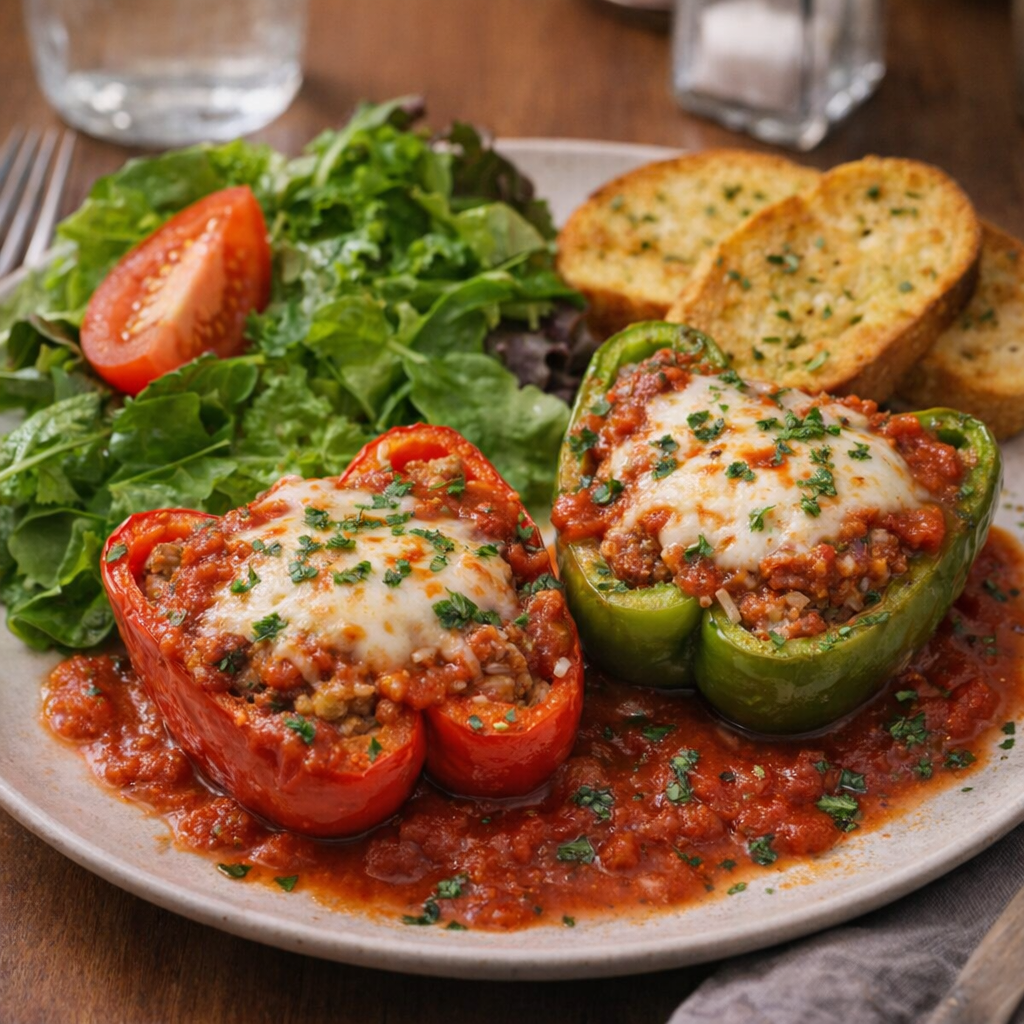
I like to serve these sausage stuffed peppers with a quick salad kit from the fridge and warm crusty bread or garlic toast to soak up the extra sauce in the bottom of the slow cooker. If you want to bulk it up a bit more, spoon the peppers and their juices over cooked rice or pasta. A side of roasted frozen veggies or steamed green beans also turns this into a full, colorful plate without much extra effort.

Plated stuffed pepper dinner with salad and garlic toast

5-Ingredient Slow Cooker Sausage Stuffed Peppers

Servings: 4

Ingredients

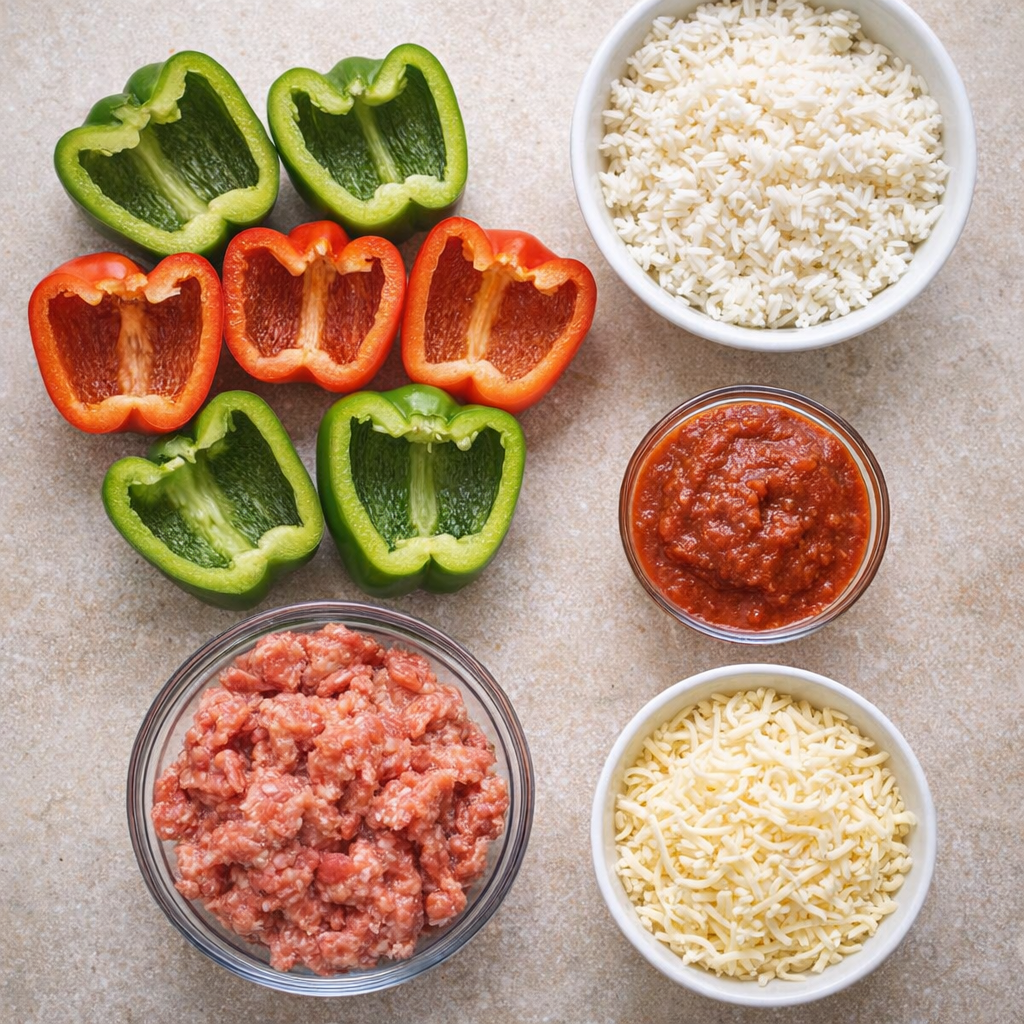
4 large bell peppers, halved lengthwise and cored

1 pound Italian sausage (mild or hot, casings removed if needed)
2 cups cooked rice (white or brown)
2 cups marinara or pasta sauce, divided
1 cup shredded mozzarella cheese, divided 

Five simple ingredients arranged on a kitchen counter


Directions

Lay the raw bell pepper halves cut-side up in the bottom of a 5- to 6-quart slow cooker, fitting them snugly in a single layer so they form little cups. It’s okay if they overlap slightly or lean on each other.

In a medium bowl, stir together the Italian sausage, cooked rice, 1 cup of the marinara sauce, and 1/2 cup of the shredded mozzarella until everything is well combined. The mixture will be thick and a little sticky.

Read more

So… my dad kind of lost it over a tip screen

It wasn’t a huge deal at first. Just a simple takeout order—walk in, grab the food, walk out. Easy.

Then the screen flipped around.

Tip options: 15%, 20%, 25%.

My dad paused. Looked at the cashier. Looked back at the screen. And then, well… he made it known he wasn’t thrilled.

“No one even served me,” he said, a little louder than necessary.

You could feel the tension. The cashier froze. People behind us shifted. And just like that, a quick pickup turned into a whole moment.

Later, the question came up—half defensive, half genuinely curious:

Is it actually rude not to tip for carryout?

Let me explain. It’s not as straightforward as it used to be.

Why takeout tipping suddenly feels… weird

Not long ago, tipping was simple.

Sit down → get served → tip your server.

Done.

But now? Everything’s blended together. You’ve got dine-in, delivery, curbside pickup, app orders, QR codes… and tip prompts everywhere. Even when no one technically “served” you.

Honestly, it throws people off.

A lot of folks—like my dad—grew up with a clear mental rule: tips are for table service. So when that same expectation pops up on a takeout receipt, it feels… misplaced.

And yet, restaurants didn’t just invent this out of nowhere.

What that tip line is really signaling

Here’s the thing most people don’t see right away:

That tip line isn’t random. It’s a signal.

It says: someone worked on your order beyond just cooking it.

Even for takeout, there’s usually a small chain of people involved:

  • Someone took or confirmed the order
  • Kitchen staff prepared it
  • Someone packed it, checked accuracy, added utensils, sauces
  • Sometimes, someone manages pickup flow or customer questions

It’s not full-service dining. But it’s not zero service either.

So the tip line? It’s less of a demand and more of a quiet nudge: “If you feel this had value, you can show it.”

Still… that doesn’t mean everyone agrees.

Wait—how much work does go into takeout?

More than most people think.

Packaging alone can be surprisingly detailed. Ever opened a bag and everything was perfectly organized? Sauces labeled, hot and cold items separated, no spills?

That didn’t happen by accident.

There’s also timing—making sure your order isn’t sitting too long, coordinating multiple dishes, adjusting for special requests (“no onions,” “extra sauce,” “gluten-free”).

It’s a bit like backstage work in a theater. You don’t see it, but it keeps the show running.

Does that equal table service? No. But it’s not nothing either.

The case for tipping on carryout

Let’s be fair—there are good reasons people choose to tip.

For one, tips often supplement income. In many places, restaurant workers still rely on them heavily. Even if they’re not your server, they’re part of a system where tips matter.

And beyond the money, there’s the gesture.

A small tip says: “I see the effort.”

Especially if:

  • Your order was large or complicated
  • The staff accommodated special requests
  • You’re picking up during a rush (Friday night chaos, anyone?)

It’s not about obligation—it’s about acknowledgment.

The case against tipping (and why people push back)

Now, here’s where my dad—and plenty of others—have a point.

Takeout doesn’t include ongoing service. No refills, no table checks, no cleanup. So for many people, tipping feels… disconnected from what they received.

There’s also tip fatigue.

Everywhere you go now—coffee shops, bakeries, self-checkout kiosks—you’re asked to tip. And after a while, it starts to feel less like appreciation and more like pressure.

Then there are service fees. Some places already add charges labeled “service,” “kitchen fee,” or “operational fee.” If you’re paying those, it’s reasonable to wonder:

Am I already covering this?

So no—choosing not to tip on takeout doesn’t automatically make someone rude.

But context matters.

When skipping the tip actually does feel rude

Here’s where things get a little nuanced.

Not tipping might raise eyebrows if:

  • You placed a large, complex order that required extra coordination
  • Staff clearly went out of their way to help you
  • You’re a regular and consistently decline tipping without exception
  • It’s a high-pressure moment (holidays, packed weekends)

In those cases, skipping a tip can come off less like a choice and more like disregard.

It’s subtle—but people feel it.

The messy reality: wages, fees, and confusion

Part of the problem is bigger than any one customer.

Tipping culture is tangled up with how restaurants pay their staff. Some workers earn low base wages and depend on tips. Others don’t. Some places pool tips; others don’t.

And those extra fees? They’re not always transparent.

Sometimes they go to staff. Sometimes they don’t.

So customers are left guessing. And guessing usually leads to discomfort—or frustration.

Honestly, it’s not surprising people react emotionally. My dad’s reaction wasn’t just about that one tip screen. It was about the whole system feeling unclear.

When tipping on takeout really makes a difference

If you’re unsure when to tip, here are moments where it’s genuinely appreciated:

  • Big group orders (think office lunches)
  • Highly customized meals
  • Late-night or last-minute requests
  • Busy rush periods
  • Small, family-run restaurants

In those cases, even a modest tip—5% to 10%, or just a few extra dollars—can go a long way.

Not huge. Just… thoughtful.

Avoiding “the scene” at the counter

Read more
I Was Today Years Old When I Learned This About Peanut Butter

You ever have one of those tiny, oddly specific realizations that makes you question your entire kitchen routine?

That was me—standing there with a half-used jar of Peanut Butter, wondering: Wait… should this be in the fridge? Has it been sitting out too long?

It sounds trivial. But honestly, peanut butter is one of those foods we all use constantly and rarely think about. It just… exists. In the pantry. Always ready. Always fine.

Or is it?

Let me explain.

So, What’s Actually in Peanut Butter?

At its core, peanut butter is pretty simple. Ground peanuts. Oil. Maybe a bit of salt. Sometimes sugar or stabilizers, depending on the brand.

That simplicity is actually the reason it lasts so long.

Peanut butter is low in moisture and high in fat—two things that make it less friendly to bacteria. Unlike dairy or cooked leftovers, it doesn’t spoil quickly in a dangerous way.

But here’s the catch: just because it doesn’t grow bacteria easily doesn’t mean it stays perfect forever.

The real issue isn’t safety—it’s quality.

The Shelf Life Question Everyone Kind of Guesses At

Let’s be honest—most people don’t check the label. You open a jar, use it over time, and assume it’s fine until it looks… suspicious.

Here’s a clearer picture:

  • Unopened peanut butter: can last a year or more
  • Opened peanut butter: best within 3–6 months

That said, plenty of people stretch that timeline. And often? Nothing terrible happens.

This is where things get a little contradictory.

Yes, peanut butter can last longer. But no, it won’t taste the same.

The Real Enemies: Air, Heat, and Time

Peanut butter doesn’t spoil like milk. It doesn’t suddenly turn dangerous overnight.

Instead, it slowly changes.

The oils inside begin to oxidize—that’s a fancy way of saying they react with air. Over time, that leads to a stale, slightly bitter flavor. Not harmful, just… off.

Heat speeds this up. Light doesn’t help either.

So if your jar sits near the stove or in a warm kitchen corner, it’s aging faster than you think.

Pantry or Fridge? The Debate That Won’t Die

Here’s where people get oddly passionate.

Some swear by the pantry. Others insist refrigeration is the only way.

Truth is, both are right—depending on the kind of peanut butter.

Pantry storage:

  • Keeps it soft and spreadable
  • Totally fine for regular (processed) peanut butter
  • Ideal if you’ll finish it within a few months

Fridge storage:

  • Slows down oil oxidation
  • Extends shelf life
  • Best for natural peanut butter

But yeah—the fridge comes with a downside. Ever tried spreading cold peanut butter? It’s basically edible cement.

Natural vs Regular: This Part Actually Matters

Not all peanut butter behaves the same.

Regular peanut butter (think smooth, no separation):

  • Contains stabilizers
  • Oils don’t separate
  • Stays fresh longer in the pantry

Natural peanut butter (the one with oil floating on top):

  • No stabilizers
  • Oil separation is normal
  • Spoils faster

This is where refrigeration makes a real difference.

If you’ve ever opened a jar of natural peanut butter and found it tasting slightly “paint-like” weeks later… yeah, that’s oxidation doing its thing.

A quick tip? Stir it well before storing it in the fridge. It helps maintain a better texture later.

What Happens If You Leave It Out for a Month?

Read more

Oven-Baked Pierogi Kielbasa Casserole

Ingredients

2 (16-ounce) boxes frozen potato and cheese pierogies

1 pound smoked kielbasa or Polish sausage, sliced into 1/4-inch rounds

2 cups shredded sharp cheddar cheese, divided

2 cups heavy cream (or half-and-half for a lighter version)

1 (10.5-ounce) can condensed cream of mushroom soup

Directions


see continuation on next page

Read more