The Truth Behind “One Ingredient That Protects Against 25+ Diseases”

The Truth About “Miracle” Ingredients and Your Health

That viral claim may sound impressive—but it’s misleading.

There is no single ingredient that can protect your body from dozens of health threats on its own.

Real health doesn’t come from quick fixes.

It comes from consistent, balanced habits over time.

 Ingredients That Truly Support Your Health

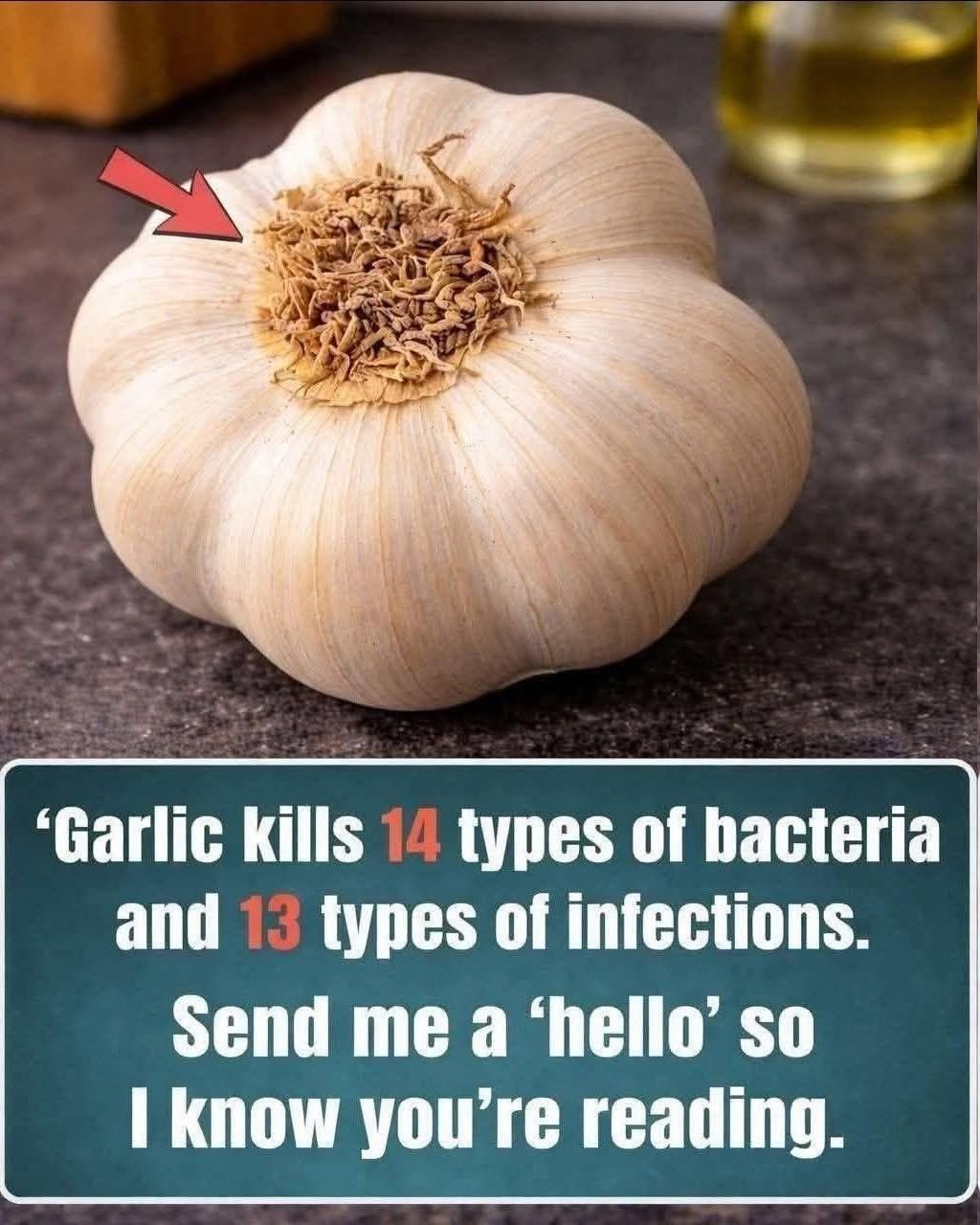
 Garlic – A Natural Protector

Supports heart health

Contains natural antibacterial compounds

May help lower blood pressure

 Ginger – The Digestive Healer

Aids digestion and reduces bloating

Read more

Why Are People Heating an Avocado? Here’s What It Actually Does

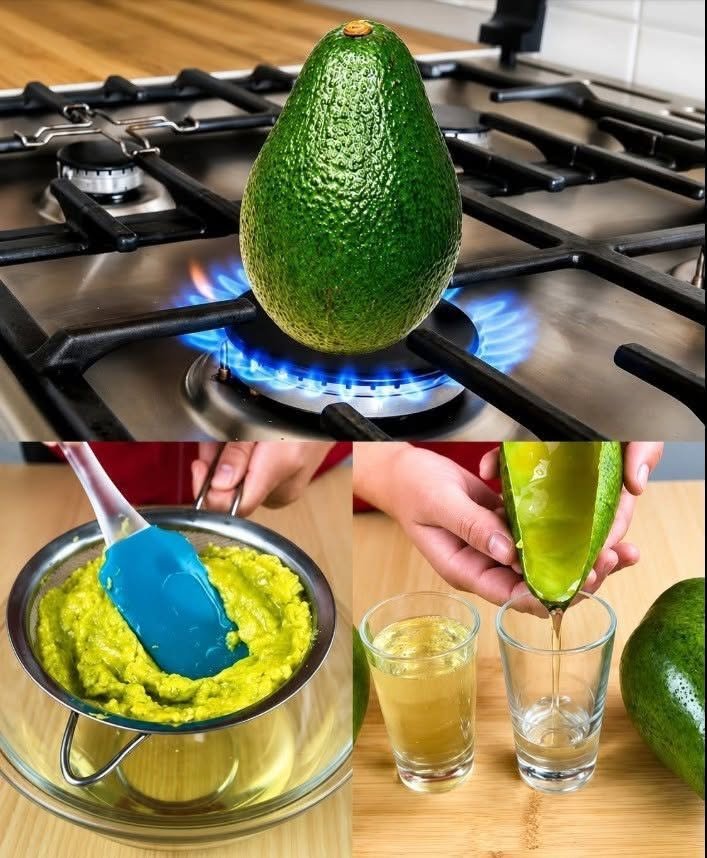
Videos showing an avocado placed directly over a gas flame have gone viral, with many claiming the result is “amazing.” The idea behind the trick is to soften the avocado so its oil can be extracted or to make it easier to mash for recipes or homemade beauty treatments.

While heating an avocado can make the flesh softer, placing it directly on a gas burner is not recommended. The intense heat can scorch the peel, create an unpleasant smoky flavor, and cause uneven cooking. In some cases, the fruit may even split or burst as steam builds up inside.

If your goal is to soften a firm avocado, there are safer methods:

Wrap the avocado in aluminum foil and bake it at 200°F (95°C) for 10–15 minutes.
Place it in a paper bag with a banana or apple for a day or two to speed up natural ripening.
If you only need softened flesh for a recipe, microwave avocado halves in short 10-second intervals after removing the pit.
Can You Extract Avocado Oil at Home?
The mashed avocado shown in the image appears to be strained to separate oil from the pulp. While avocados do contain healthy oils, extracting a meaningful amount at home is difficult. Most commercial avocado oil is produced using specialized equipment that presses or centrifuges the fruit.

For home cooks, it’s generally better to enjoy the avocado as-is in recipes rather than trying to make oil from it.

Easy Creamy Avocado Spread

Continued on the next page

Read more

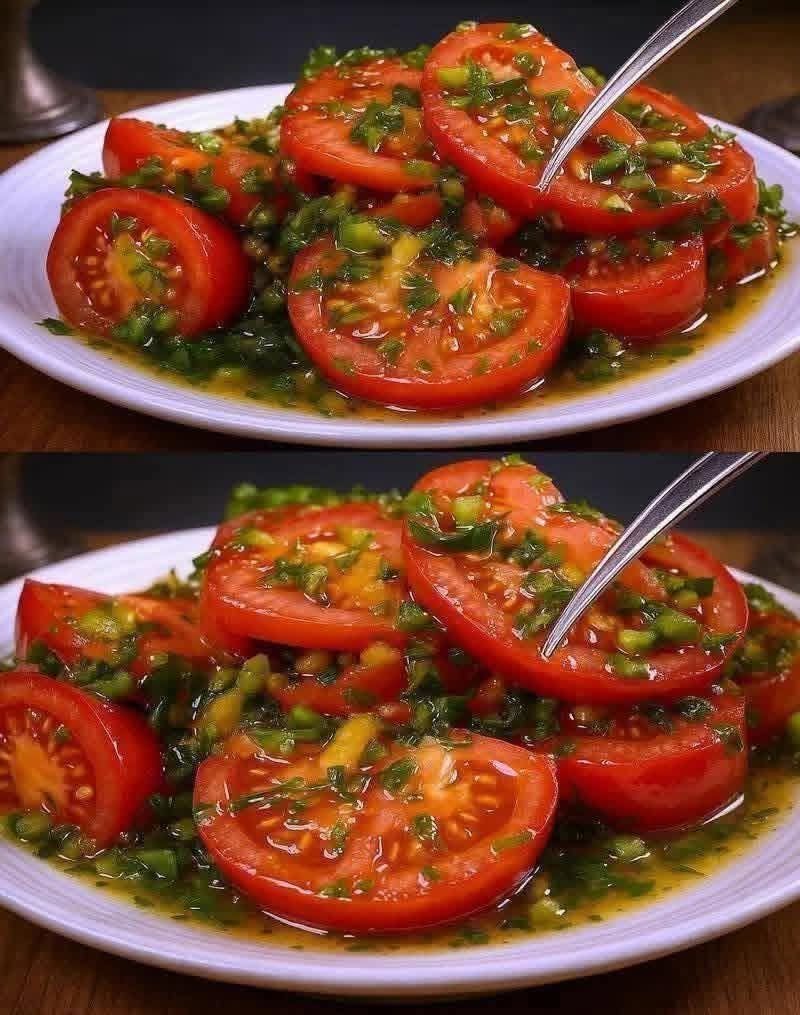
Magic Marinated Tomato Salad

This fresh tomato salad is bursting with juicy tomatoes, fragrant herbs, garlic, and a tangy homemade dressing. It’s the perfect side dish for grilled meats, seafood, sandwiches, or crusty bread.

Ingredients
4–5 ripe tomatoes, sliced
3 green onions, finely chopped
¼ cup fresh parsley, finely chopped
2 tablespoons fresh dill, chopped (optional)
2 garlic cloves, minced
3 tablespoons extra virgin olive oil
1 tablespoon lemon juice
1 tablespoon red wine vinegar (or apple cider vinegar)
1 teaspoon honey (optional)
½ teaspoon Dijon mustard (optional)
Salt and black pepper, to taste
½ teaspoon dried oregano
Instructions
Continued on the next page

Read more

Italian Meatloaf

Ingredients:
For the Meatloaf

2 lbs ground beef (80/20 recommended)
1 cup Italian breadcrumbs
½ cup milk
2 large eggs
1 medium onion, finely diced
4 cloves garlic, minced
1 cup shredded mozzarella cheese
½ cup grated parmesan cheese
1 ½ teaspoons salt
1 teaspoon black pepper
1 tablespoon Italian seasoning
1 teaspoon dried basil
1 teaspoon dried oregano
¼ cup fresh parsley, chopped
¾ cup marinara sauce (plus extra for topping)
Optional Filling Layer

ADVERTISEMENT


1 additional cup shredded mozzarella cheese
½ cup marinara for layering
For the Topping

½ cup marinara sauce
½ cup mozzarella cheese
2 tablespoons grated parmesan
Fresh basil or parsley for garnish
Preparation :

see continuation on next page

To see the full cooking instructions, go to the next page or click the Open button (>) and don’t forget to SHARE it with your friends on Facebook.

Read more

Why Deli Ham Sometimes Shows a Rainbow Shine — And What It Means

Have you ever taken a slice of deli ham out of the refrigerator and noticed a strange, rainbow-like shimmer across its surface? That glossy, multicolored shine can look intriguing—and a little unsettling—especially if you’re unsure whether the meat is still fresh. Seeing those shifting colors might make you hesitate before taking a bite.

In this article, we’ll break down the science behind that effect, explaining why deli ham can appear iridescent and when this visual trait is completely normal. We’ll also share tips on how to tell if your ham is safe to eat, along with expert advice on purchasing and storing deli meats to help avoid spoilage.

1. What the Rainbow Sheen on Deli Ham Really Means
The colorful, rainbow-like glow you sometimes see on deli ham is called iridescence. It happens when the structure of the meat’s surface bends and reflects light at different angles, producing a range of colors. This is similar to the shimmering hues visible on soap bubbles or the reflective surface of a DVD. The alignment of muscle fibers, combined with small amounts of fat and the direction of the light, creates this effect.

Crucially, iridescence does not mean the meat has gone bad. It’s a natural visual phenomenon caused by how the meat is built and how it interacts with light. You’ll often notice the same effect on other sliced meats, including turkey and roast beef.

Read more

Those Tiny White Worms in Strawberries… Should You Be Worried?

You’re standing in your kitchen, sunlight hitting the counter just right. There’s a bowl of strawberries in front of you—bright, glossy, almost too perfect. You rinse a few, maybe pop one in your mouth, and for a second, everything feels like summer.

Then you see it.

A video online. Someone soaking strawberries in salt water… and suddenly—tiny white worms start wriggling out.

Yeah. That moment sticks with you.

So naturally, the question comes up: wait… are there really worms in my strawberries? And maybe more importantly—have I been eating them this whole time?

Let’s talk about it. Calmly. Honestly. No panic needed.

So… What Are Those Little White Worms?
First things first—those tiny white “worms” aren’t actually worms in the way most people imagine.

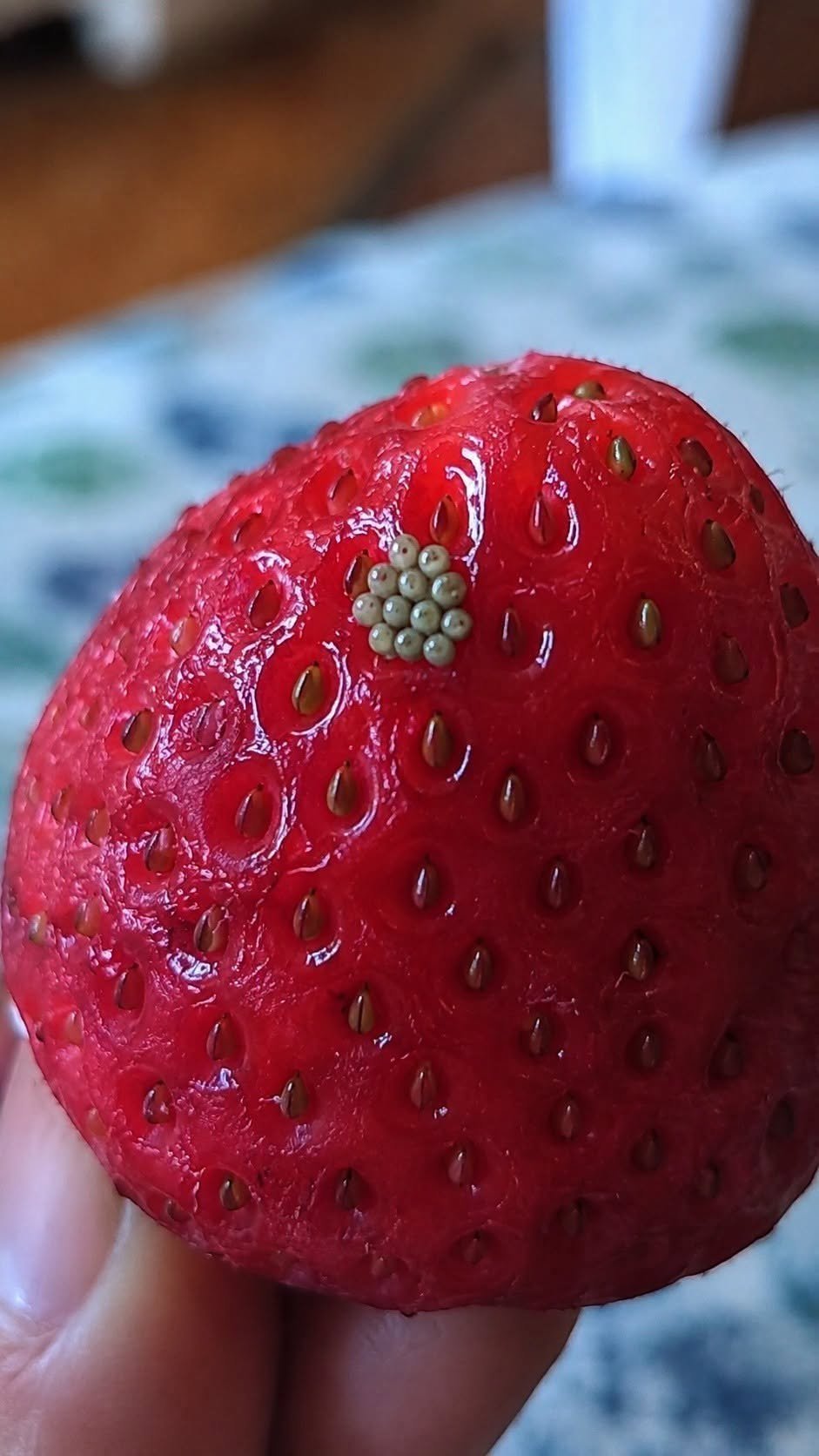
They’re larvae. Specifically, the larvae of a fruit fly called Spotted Wing Drosophila.

Sounds fancy, but here’s the simple version:
These flies lay eggs inside ripening fruit—especially soft fruits like strawberries. When the eggs hatch, the larvae grow inside the fruit.

Not on it. Inside it.

And yes… that means sometimes you don’t see them at all until something—like salt water—forces them out.

Meet the Real Culprit (It’s Smaller Than You Think)
The adult fly itself is tiny. You’d barely notice it if it landed near your fruit bowl.

But what makes it different from regular fruit flies is this:
It doesn’t wait for fruit to rot.

It goes straight for fresh, ripening fruit—perfect strawberries included.

Kind of bold, honestly.

The female fly has a special tool (basically a sharp egg-laying organ) that lets her pierce the skin of the fruit and deposit eggs just under the surface.

From there, things move quickly. Warm weather? Even faster.

Why Salt Water Makes Them Show Up (And Freak Everyone Out)
Here’s where the viral videos come in.

When you soak strawberries in salt water, something interesting happens. The salt changes the environment around the larvae, basically stressing them out.

So what do they do?

They come out.

That’s why you suddenly see movement—something that was hidden becomes visible.

And yeah… it’s unsettling. No sugarcoating that.

But here’s the thing most videos don’t say clearly…

Are They Dangerous? (This Is the Part Everyone Wants to Know)
Short answer: No, they’re not dangerous.

Food safety experts agree—these larvae aren’t known to carry harmful diseases.

So if you’ve eaten strawberries before without doing a salt soak… you’re fine. Really.

Still, knowing they might be there? That’s enough to make anyone pause mid-bite.

And that reaction is completely normal.

Read more

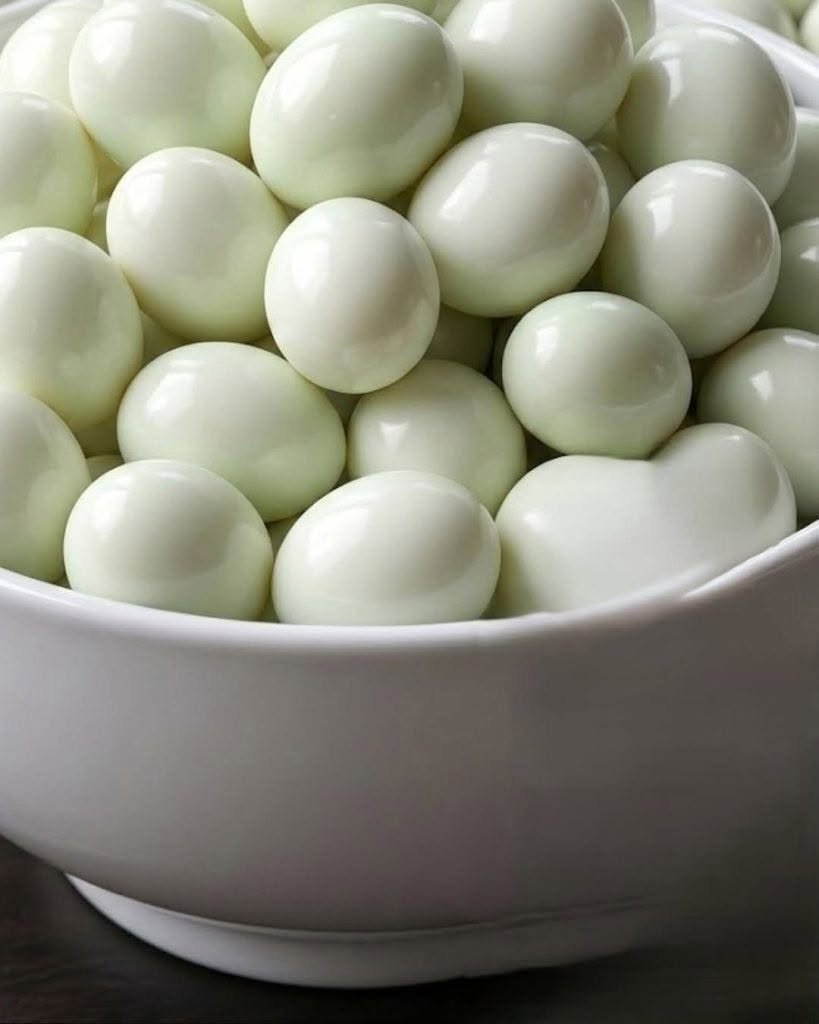
Boiled Eggs vs. Fried Eggs: Which Is Better for Breakfast?

Boiled  Eggs vs. Fried Eggs: Which Is Better for Breakfast?
Eggs are one of the most popular choices for breakfast around the world. They are quick to cook, rich in protein, and keep you feeling full for hours. But when it comes to preparing them, many people wonder: is it better to eat boiled  eggs or fried eggs in the morning? Let’s take a closer look at the health benefits, calorie differences, and overall impact on your daily energy.

Eggs

The Case for Boiled Eggs

Boiled eggs are considered one of the healthiest ways to enjoy this versatile  food. Since they are cooked without oil or butter, they are naturally low in calories and fat. A large boiled egg contains around 70 calories and 6 grams of protein, making it an excellent option for those watching their weight or looking to maintain lean muscle.

Another benefit of boiling is nutrient retention. The gentle cooking process helps preserve important vitamins such as vitamin B12, vitamin D, and choline, which play a vital role in brain function and metabolism. Boiled eggs are also rich in antioxidants like lutein and zeaxanthin, which support eye health.

In addition, boiled eggs are portable and convenient. You can prepare them in advance, store them in the fridge, and grab one on your way to work or school. For people with busy mornings, this is a simple and nutritious solution.

The Case for Fried Eggs
Fried eggs are delicious and satisfying. Cooking eggs in a pan allows you to enjoy a softer texture and richer flavor. They pair perfectly with toast, vegetables, or even a traditional breakfast plate with beans and potatoes.

To see the full cooking instructions, go to the next page or click the Open button (>) and don’t forget to SHARE it with your friends on Facebook.

Read more

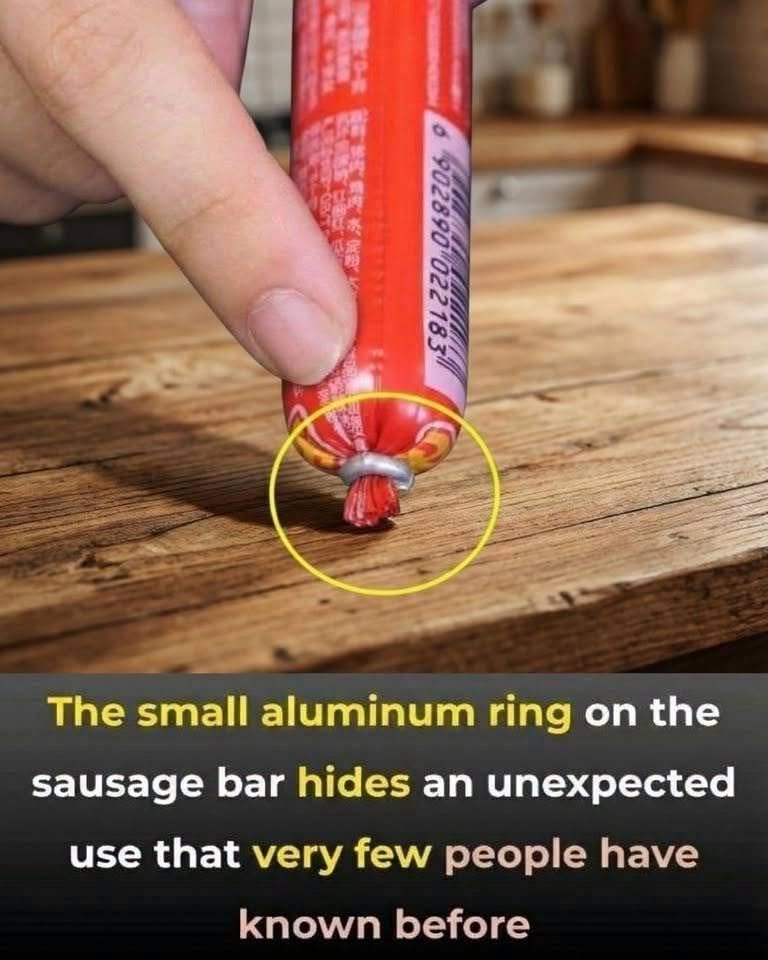
That Tiny Metal Ring on Sausage Has a Real Job

It is easy to miss the small metal ring clipped to the end of a sausage stick. Most people notice the label, the casing, or the price first, then throw the little clip away without thinking much about it.

But that tiny piece of aluminum is not there by accident. It is a practical part of how many sausage products are sealed, stored, transported, and kept in good condition before they reach your kitchen.

See Next Page

Read more

I Thought the White String in My Egg Was Something Dangerous—The Truth Completely Surprised Me

I was standing in my kitchen this morning, preparing a simple breakfast, when something unusual caught my attention.
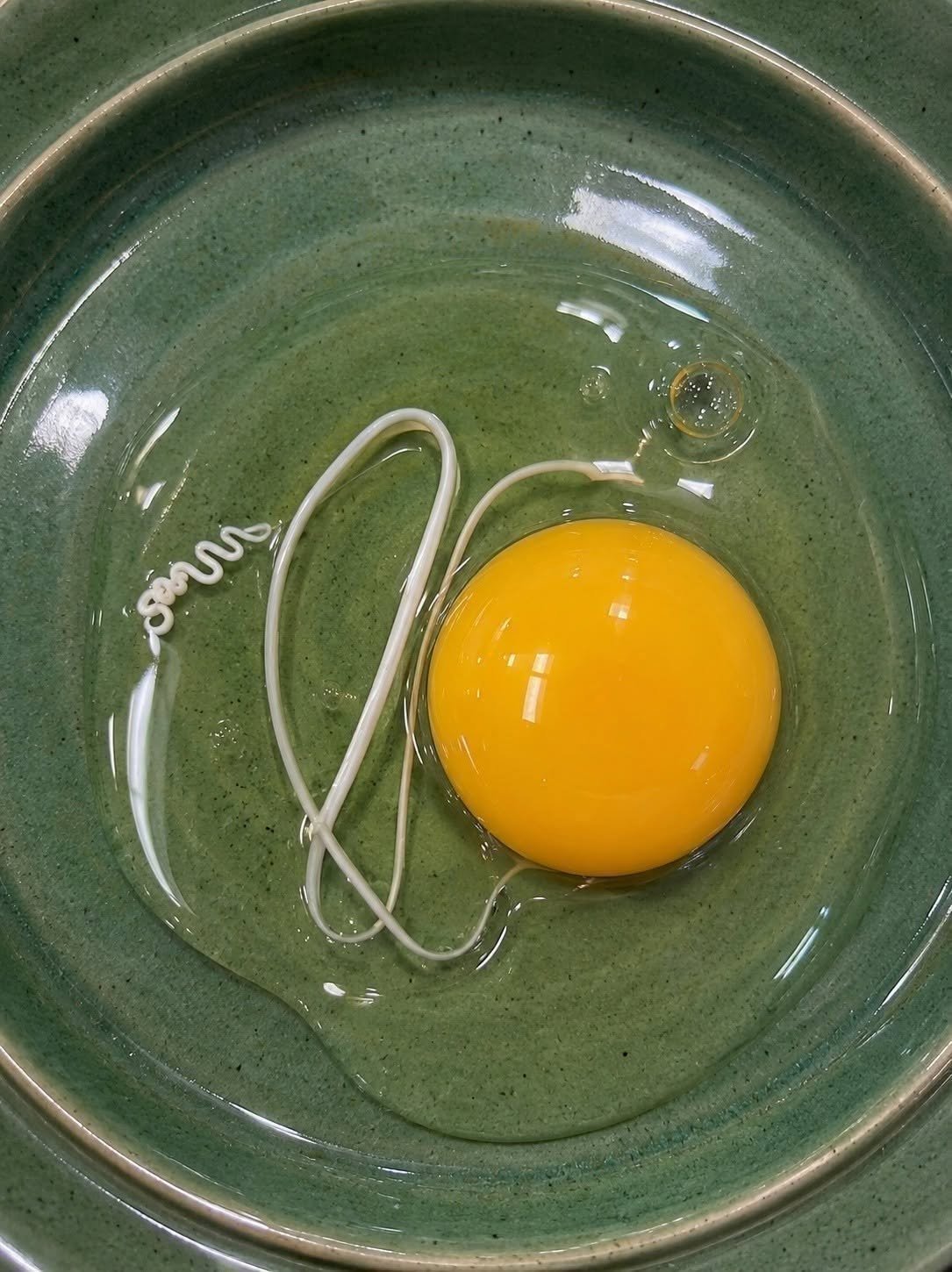
As I cracked an egg into a bowl, I noticed a strange white strand floating through the egg white. It was thin, slightly twisted, and looked almost like a tiny piece of string or a worm. My stomach immediately tightened. I froze, spatula in hand, and stared at the bowl like it contained something dangerous.

I do that thing that everyone does when they’re scared about food: I immediately assume the worst. Is it a parasite? A worm? Some kind of contamination? I thought about the salmonella warnings, the recalls, the things I’d read online about food safety. I could feel my appetite slipping away.

I almost threw the whole thing out. I was this close to trashing the bowl, the egg, and the entire idea of breakfast.

But something stopped me. Maybe it was my natural curiosity. Maybe it was the fact that I’d already poured my coffee and I wasn’t ready to give up. I pulled out my phone and started researching.

Twenty minutes later, I was laughing at myself.

Because that white string—the one I thought might be a parasite or a contamination—is completely natural. It’s not dangerous. It’s not a worm. And I’d been eating it my entire life without ever noticing it before.

Let me tell you what it actually is, why it’s there, and why you should stop worrying about it immediately.

What Is That White String in Your Egg?
That white, twisty, slightly opaque strand is called the chalaza (pronounced kuh-LAY-zuh). Plural: chalazae.

It’s a natural protein structure that holds the yolk in the center of the egg. Think of it as an internal suspension system—a set of tiny ropes that anchor the yolk to the membrane of the eggshell. It keeps the yolk from bouncing around and rupturing.

The chalazae are made of the same protein (keratin) as egg white. They are completely edible, completely safe, and actually a sign of a fresh, high-quality egg.

In fresh eggs, the chalazae are thick and prominent. As eggs age, the chalazae dissolve and become less visible. So if you see a prominent white strand in your egg, congratulations—you’re eating a fresh egg.

The word “chalaza” comes from the Greek word for “hailstone,” referring to the way the strand looks like a small, white pebble suspended in the white.

Why You Probably Never Noticed It Before
If this was the first time you noticed a chalaza, you’re not alone. Many people never notice them because:

They crack eggs into a hot pan. When you crack an egg directly into a hot frying pan, the egg white cooks quickly and the chalaza can be hidden in the opaque white.

They scramble or bake their eggs. Scrambling or baking eggs mixes everything together, making the chalaza invisible.

They buy older eggs. Older eggs have thinner, less visible chalazae. Commercial eggs might be several weeks old by the time they reach your grocery store.

They don’t look closely. Most people don’t examine their eggs before cooking. They crack, cook, and eat without scrutinizing.

The only reason I noticed mine was because I cracked the egg into a clear glass bowl and looked at it before cooking. And even then, it took me a minute to realize what I was seeing.

Is the Chalaza Safe to Eat?
Yes. Absolutely.

The chalaza is made of protein, just like the egg white. It’s completely safe, completely edible, and contains nothing harmful.

Some people remove the chalaza for aesthetic reasons (if they’re making something that requires a perfectly smooth egg white, like certain desserts or meringues). But you can leave it in without any issues. It won’t change the taste, texture, or nutritional value of your egg.

In fact, if you’re the kind of person who worries about nutrition, the chalaza is pure protein. That’s a good thing.

Continued on next page//

To see the complete cooking instructions, go to the next page or click the Open (>) button and don’t forget to SHARE it with your friends on Facebook.

Read more

My Sister Betrayed Me Over $25,000… But Karma Had Other Plans

Family is supposed to be built on trust, loyalty, and support. But sometimes, the people we expect to protect us end up being the ones who hurt us the most. That’s exactly what happened when my sister and her husband asked to borrow $25,000, swearing they needed it to pay off debts and save their home from foreclosure. It wasn’t a small request. It was life-changing money—money I had saved for years, meant for emergencies of my own.

At first, I hesitated. Everyone knows that lending money to family can become a disaster. It creates tension, expectations, and unspoken pressure. But when my sister called me crying, saying they were on the edge of losing everything, my heart softened. She painted a picture of a family in crisis—late notices, bill collectors, the fear of becoming homeless. She told me they had nowhere else to turn, and that I was their last hope.

Despite every instinct screaming at me to be cautious, I agreed to help them. I transferred the money, hoping it might actually save their situation and give them a chance to get back on their feet. I told myself that doing the right thing sometimes means taking risks for the people you love. I believed that my sister, of all people, would honor

Read more