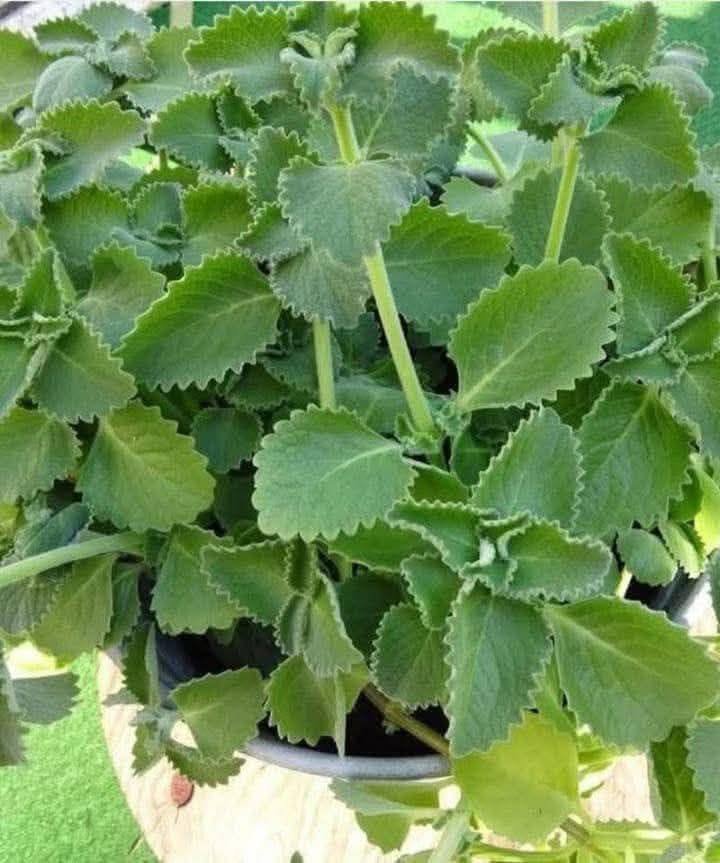
Nothing enhances the flavor of meals quite like oregano. Beyond its bold aroma and taste, this Mediterranean herb has been studied for its potential health-supporting properties, including antioxidant and antimicrobial effects.
For centuries, oregano has been used in traditional Mediterranean diets and herbal practices. While it is not a miracle cure, modern research shows that oregano contains natural compounds that may contribute to overall wellness when included as part of a balanced lifestyle.
Understanding the science behind oregano helps us appreciate it not only as a culinary herb but also as a plant rich in beneficial compounds.
Because real wellness does not come from viral remedies. It develops through knowledge, balance, and everyday healthy habits.
What’s Inside Oregano? Key Bioactive Compounds
Oregano contains a variety of plant-based compounds that have attracted the attention of scientists and nutrition researchers.
Some of the most notable compounds include:
Carvacrol
Carvacrol is the most abundant compound in oregano and has been studied for its antibacterial and anti-inflammatory properties.
Thymol
Thymol is a natural compound with antifungal and preservative characteristics, often found in aromatic herbs.
Rosmarinic Acid
Rosmarinic acid is a powerful antioxidant that may support cellular health and help protect the body from oxidative stress.
Lutein and Beta-Carotene
These natural pigments are associated with supporting eye health and maintaining healthy skin.
Because of these compounds, oregano ranks among herbs with very high antioxidant activity, even higher than many fruits when measured by weight.
It is important to note that most scientific studies focus on concentrated extracts, not the small amounts typically used in cooking.
Science-Supported Benefits with Realistic Expectations
Oregano contains phenolic compounds that contribute to its strong antioxidant properties. Antioxidants help neutralize free radicals, unstable molecules that may contribute to oxidative stress over time.
Reducing oxidative stress is important for supporting overall cellular health.
However, oregano alone cannot prevent illness. Instead, herbs like oregano contribute small supportive benefits when included as part of a nutrient-rich diet.
Continue to the next page to explore oregano’s antimicrobial properties, digestive benefits, and practical ways to include it in everyday life.