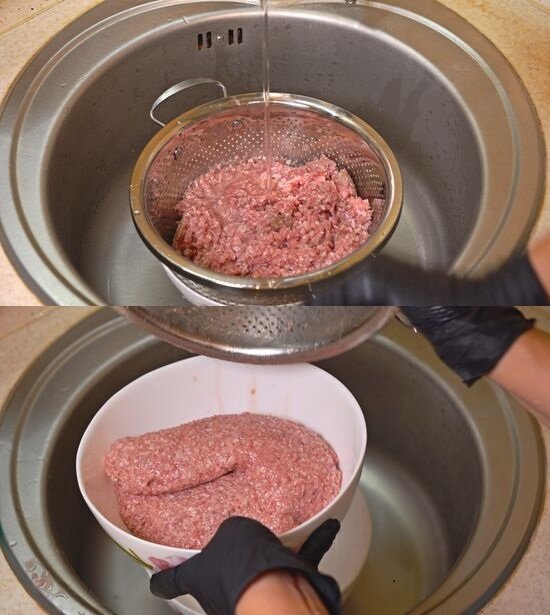
It’s a question that divides home cooks: should you rinse ground beef before or after cooking? While some swear by it as a way to reduce fat, others argue it compromises flavor and texture. So, what’s the right answer? Let’s break down the arguments on both sides and settle the debate once and for all. The Case for Washing Ground Beef Proponents of rinsing ground beef typically do so for one reason: to reduce fat. By running hot water over cooked ground beef in a colander, they believe they can remove a significant amount of rendered grease, resulting in a leaner, less calorie-dense final dish. This approach is especially popular among those who are health-conscious or preparing meals where excess grease might make the dish overly heavy, such as in tacos or certain pasta sauces. The Case Against Washing Ground Beef On the other side of the argument, many cooks—including professional chefs—strongly advise against rinsing ground beef. Here’s why: Loss of Flavor and Moisture: Fat is not just a source of richness; it carries flavor. Rinsing away the rendered fat can leave the meat tasting bland and dry, robbing your dish of the savory depth that makes ground beef so satisfying. Food Safety Concerns: Washing raw meat is generally discouraged by food safety experts, including the USDA. Rinsing raw ground beef can spread harmful bacteria like E. coli and Salmonella to your sink, countertops, and surrounding areas through splashing water—a phenomenon known as cross-contamination. Texture Compromise: Removing the fat can result in a drier, less tender final product, which is particularly noticeable in dishes like burgers or meatloaf where moisture is key. Practical Concerns: The Mess and the Plumbing see continuation on the next page

Beyond flavor and safety, rinsing ground beef is simply a messy affair. Pouring hot, greasy water into a colander often leads to splattering, and disposing of that grease down the drain is a recipe for plumbing disasters. As fat cools, it solidifies and can cling to pipes, leading to stubborn clogs over time.

A Better Approach: If your goal is to reduce grease, a far cleaner and more effective method is to cook the ground beef and then carefully drain the rendered fat into a heat-safe container. Allow it to cool and solidify, then discard it in the trash.

The Bottom Line: Is It Necessary?
No, it is not necessary to wash ground beef.

In fact, from both a culinary and a food safety standpoint, skipping the rinse is the better choice. You’ll preserve the meat’s natural flavor and moisture, avoid the risk of cross-contamination, and save yourself from a greasy, messy cleanup.

Ultimately, how you handle ground beef comes down to personal preference. If you prioritize a leaner result above all else, draining (not rinsing) the fat after cooking is the recommended method. But for the most flavorful, juicy, and safe dishes, simply cook the beef as-is, drain the excess fat if desired, and enjoy.


↓ See next page ↓

Leave a Comment

Crispy Parmesan Zucchini Potato Muffins – Savory, Cheesy & Perfect for Any Meal!

1 cup (130g) shredded zucchini, squeezed dry (see tip below) 1½ cups (360g) mashed potatoes (leftover or freshly made) ½...

Read More →
Save this recipe, because it’s a real treasure. I’ve forwarded it to everyone who’s said hello.

Cook the chicken: Poach or boil the chicken breast in salted water with herbs (like thyme or bay leaf) until...

Read More →
Chicken Cordon Bleu Lasagna

9 lasagna noodles, cooked al dente (or no-boil) 2 cups (250g) cooked chicken, shredded or diced 1½ cups (6 oz)...

Read More →
French Dip Biscuits: The Ultimate Comfort Food Mash-Up

1½ lbs thinly sliced roast beef (from the deli counter or leftover roast) 2 cups beef broth (low sodium) 1...

Read More →
Oven Baked 4-Ingredient Amish Poor Man’s Steak

1. Prep & Preheat Preheat oven to 375°F (190°C). Lightly grease a 9×13-inch baking dish. 2. Form & Arrange Patties...

Read More →
Old-Fashioned Custard Pie

🔥 Prevent bubbles – Don’t overmix! Stir gently to avoid a foamy filling. 🔥 No weeping – Warm milk helps...

Read More →